What Anti-Aging Treatments Are Popular Among Koreans? A Guide to Korea’s Preventive Aesthetic Trends
South Korea is widely recognized for its advanced skincare culture and aesthetic medicine industry. One of the reasons many people admire Korean beauty is the emphasis on maintaining healthy, youthful-looking skin rather than waiting until obvious signs of aging appear. As a result, many international visitors ask, “What anti-aging treatments are popular among Koreans?” In reality, preventive anti-aging has become a common part of skincare routines for many Koreans. Instead of relying on a single procedure, they often combine professional treatments with daily skincare habits to maintain skin quality over time. Below are some of the most commonly discussed anti-aging treatments in Korean dermatology and aesthetic clinics.
Popular Anti-Aging Treatments in Korea
Botulinum toxin injections are among the most widely performed anti-aging procedures in Korea. They are commonly used to soften dynamic facial lines such as forehead lines, frown lines, and crow’s feet by temporarily reducing muscle activity. Many people choose these treatments as part of regular maintenance to help delay the appearance of deeper expression wrinkles.
Hyaluronic acid fillers are another popular option. As facial volume naturally changes with age, fillers may be used to improve facial balance by supporting areas such as the cheeks, nasolabial folds, chin, or temples. Rather than creating dramatic changes, treatment plans often focus on restoring natural facial harmony.
Skin regenerative treatments have also gained significant popularity in recent years. Products such as Rejuran and Juvelook are frequently discussed in Korean dermatology clinics because they are designed to improve overall skin quality rather than simply adding volume. These treatments are commonly selected by individuals who wish to enhance skin texture, elasticity, and overall skin condition as part of a long-term anti-aging strategy.
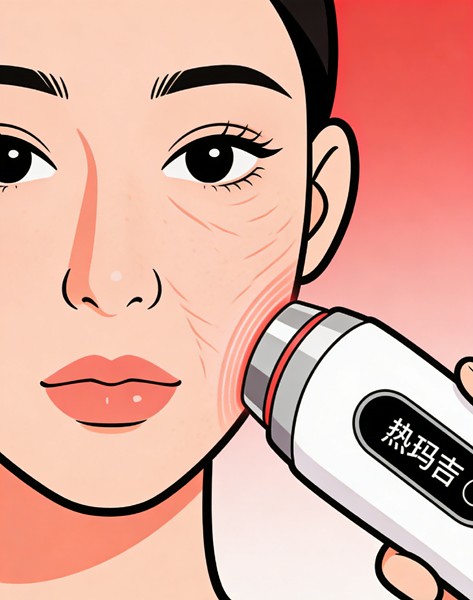
Energy-based treatments have also become an important part of Korean anti-aging care. Procedures using technologies such as Thermage FLX, Ultherapy, and Oligio are often chosen to address skin laxity and support collagen production without surgery. Depending on individual skin conditions, dermatologists may recommend one or more of these treatments to help improve facial contours and skin firmness.
Why Do Koreans Focus on Preventive Anti-Aging?
One of the defining characteristics of Korean skincare culture is the belief that prevention is more effective than correction. Many people begin professional skin management in their twenties or early thirties, even before noticeable wrinkles or sagging develop. The goal is to maintain healthy skin and slow the visible aging process through consistent care.
Personalized treatment planning is another important feature. Before recommending procedures, many Korean dermatology clinics perform professional skin analysis to evaluate hydration levels, oil production, pigmentation, pore size, skin elasticity, and overall skin condition. Based on these assessments, dermatologists create individualized treatment programs instead of recommending identical procedures for every patient.
Age also influences treatment selection. Younger adults often focus on hydration treatments, skin boosters, laser therapy, and daily sun protection. As collagen production gradually declines with age, people in their thirties and forties may add radiofrequency treatments, ultrasound lifting procedures, regenerative injections, or collagen-stimulating therapies. Older patients may receive customized combinations of lifting treatments and injectable procedures depending on their specific concerns.
Professional treatments are usually complemented by consistent home skincare. Daily sunscreen application, moisturizers, antioxidant skincare products, and healthy lifestyle habits are widely considered essential components of long-term anti-aging management in Korea.
How Do Koreans Choose Anti-Aging Treatments?
There is no single anti-aging treatment that is suitable for everyone. Korean dermatologists generally recommend treatment plans based on individual skin conditions, facial anatomy, age, and personal aesthetic goals.
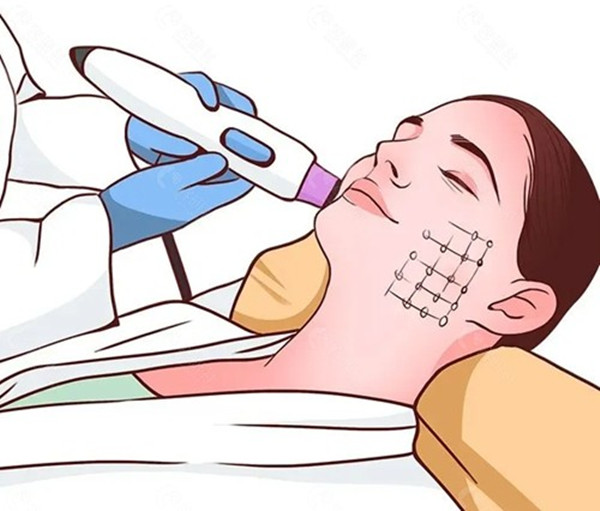
For people mainly concerned about dry skin, enlarged pores, or uneven texture, skin boosters and regenerative skin treatments may be appropriate options. Individuals experiencing mild skin laxity may consider non-surgical lifting procedures using ultrasound or radiofrequency technology. Patients with visible expression lines may discuss botulinum toxin injections with their physician as part of a personalized treatment plan.
Combination therapy has become increasingly common in Korea. Rather than relying on one procedure, many dermatologists combine laser treatments, injectables, collagen-stimulating therapies, and skincare programs to address multiple aspects of skin aging. This customized and comprehensive approach is one of the reasons Korean aesthetic medicine continues to attract international attention.
Because every person’s skin ages differently, professional consultation is essential before beginning any aesthetic treatment. A qualified dermatologist can evaluate individual skin concerns and recommend the most appropriate treatment options based on realistic expectations and long-term skin health.
Conclusion
For those asking, “What anti-aging treatments are popular among Koreans?”, some of the most commonly chosen procedures include botulinum toxin injections, hyaluronic acid fillers, regenerative treatments such as Rejuran and Juvelook, radiofrequency skin tightening, ultrasound lifting, skin booster injections, and various laser therapies. Each treatment serves a different purpose, and many patients receive personalized combinations rather than relying on a single procedure.
Overall, Korea’s approach to anti-aging emphasizes prevention, consistency, and natural-looking results. By combining professional dermatological treatments with daily skincare and long-term maintenance, many Koreans aim to preserve healthy, balanced, and youthful-looking skin for years to come.