How Much Does Septal Reconstruction Cost in Korea? Is Korean Septal Reconstruction Technology Good?
For people considering functional or revision rhinoplasty, one common question is: “How good is septal reconstruction technology in Korea?” While many people associate Korean rhinoplasty with cosmetic improvements, septal reconstruction focuses on rebuilding the internal support of the nose, making it an important procedure for patients with nasal deformities, previous rhinoplasty complications, trauma, or congenital structural problems.
Korea has become one of Asia’s most popular destinations for rhinoplasty, attracting both local and international patients. In addition to experienced plastic surgeons, many Korean clinics emphasize personalized surgical planning based on facial proportions and nasal anatomy. Another reason patients consider treatment in Korea is the relatively competitive pricing compared with some Western countries.
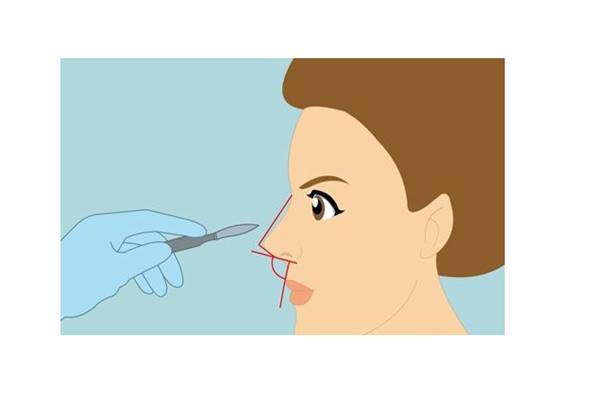
Is Septal Reconstruction in Korea Worth Considering?
Septal reconstruction is much more than simply straightening a deviated septum. The procedure aims to restore or rebuild the structural framework of the nose, allowing better support for the nasal tip while improving both appearance and, in some cases, nasal airflow.
Depending on the patient’s condition, Korean surgeons may recommend procedures such as:
- Septal cartilage reconstruction
- Septal extension graft
- Nasal tip support reconstruction
- Crooked nose correction
- Revision rhinoplasty with septal reconstruction
- Reconstruction after trauma
- Contracted nose repair
One feature of Korean rhinoplasty is individualized surgical planning. Rather than following a standard approach, surgeons usually evaluate multiple factors, including:
- Nasal bridge height
- Nasal tip projection
- Cartilage strength
- Skin thickness
- Facial balance
- Previous surgical history
- Functional breathing concerns
When the patient’s own septal cartilage is insufficient, surgeons may recommend using ear cartilage or rib cartilage as additional graft material. The choice depends on each individual’s anatomy and surgical goals.
Because septal reconstruction involves rebuilding the structural foundation of the nose, it is generally considered more technically demanding than primary cosmetic rhinoplasty.
How Much Does Septal Reconstruction Cost in Korea?
Price is often one of the biggest concerns for international patients.
The total cost depends on several factors, including surgical complexity, whether the procedure is primary or revision surgery, the graft material used, and the surgeon’s experience.
Below are common price ranges seen in Korea.
Primary Septal Reconstruction
Average price:
KRW 3.5 million to KRW 7 million
Approximately:
- USD $2,500–5,000
- CNY ¥18,000–36,000
This usually applies to patients who have not undergone previous nasal surgery and require structural correction or improved tip support.
Septal Extension Rhinoplasty
Average price:
KRW 4.5 million to KRW 8 million
Approximately:
- USD $3,200–5,800
Septal extension procedures are commonly performed to lengthen a short nose or provide stronger support for the nasal tip.
Revision Rhinoplasty with Septal Reconstruction
Average price:
KRW 7 million to KRW 12 million
Approximately:
- USD $5,000–8,700
Revision cases are generally more expensive because scar tissue, previous implants, or damaged cartilage increase surgical complexity.
Rib Cartilage Septal Reconstruction
Average price:
KRW 8 million to KRW 15 million or more
Approximately:
- USD $5,800–11,000+
Using autologous rib cartilage usually requires additional surgical time and cartilage harvesting, contributing to higher costs.
What Affects the Cost?
Although two patients may undergo septal reconstruction, their final quotations can differ significantly.
Several factors influence the overall price.
Primary vs. Revision Surgery
Revision rhinoplasty is generally more difficult because surgeons must work around scar tissue, previous implants, or weakened cartilage.
As a result, revision procedures typically cost more than primary surgeries.
Cartilage Material
If sufficient septal cartilage is available, additional grafts may not be necessary.
However, when more structural support is required, surgeons may recommend:
- Ear cartilage
- Rib cartilage
- Other autologous tissue
Additional graft harvesting usually increases the total cost.
Combined Procedures
Many patients combine septal reconstruction with procedures such as:
- Bridge augmentation
- Tip refinement
- Alar reduction
- Crooked nose correction
- Nostril reshaping
Performing multiple procedures during one operation naturally increases the surgical fee.
Surgeon’s Experience
Experienced rhinoplasty specialists who regularly perform complex revision surgeries may charge higher fees.
Many international patients consider surgical experience and specialization just as important as price when choosing a clinic.

Recovery After Septal Reconstruction
Recovery varies from person to person, but a general timeline includes:
- First week: swelling and bruising are most noticeable.
- One to two weeks: sutures and splints are usually removed.
- One month: most swelling gradually decreases.
- Three to six months: the nose continues to refine.
- Up to one year: final surgical results gradually become more stable.
Patients traveling to Korea often plan to stay for approximately one to two weeks to complete follow-up appointments before returning home.
Is It Worth Traveling to Korea?
For patients requiring complex nasal reconstruction, Korea offers several advantages.
Many clinics have extensive experience with both cosmetic rhinoplasty and revision procedures. Surgeons are accustomed to treating patients with previous surgeries, structural weakness, short noses, crooked noses, and traumatic deformities.
In addition, many medical centers provide services designed for overseas patients, including English-speaking coordinators, translation assistance, airport transportation, and postoperative follow-up planning.
However, prospective patients should remember that travel expenses—including airfare, accommodation, transportation, and recovery time—should be included in the overall budget rather than considering surgical fees alone.
Final Thoughts
So, how good is septal reconstruction technology in Korea?
Overall, Korea has developed a strong reputation in rhinoplasty and nasal reconstruction, with many surgeons focusing on structural preservation and individualized treatment planning rather than simply enhancing appearance. Septal reconstruction procedures are typically customized according to each patient’s anatomy, surgical history, and functional needs.
In terms of pricing, patients can generally expect to pay between KRW 3.5 million and KRW 15 million, depending on the complexity of the operation, the graft materials used, and whether the procedure is primary or revision surgery.
Before making a decision, it is advisable to compare not only prices but also the surgeon’s experience, available consultation services, postoperative care, and the overall treatment plan. A thorough evaluation and realistic expectations are essential for achieving both functional improvement and aesthetic balance.