Korean Plastic Surgery Clinics in 2026: A Practical Shortlist for Facial Contouring, Eyes, Nose, Breast Surgery and Body Contouring
Korean Plastic Surgery Clinics in 2026: A Practical Shortlist for Facial Contouring, Eyes, Nose, Breast Surgery and Body Contouring
Searching for a plastic surgery clinic in Korea can quickly turn into a collection of names, before-and-after photos and promotional quotes. That is rarely enough to make a safe decision. A useful shortlist should answer five practical questions: which surgeon will operate, what the proposed procedure actually includes, how anesthesia is managed, what aftercare is available, and what the total cost covers.
The clinics below are grouped by treatment interest. This is not an official ranking, and inclusion does not mean that a clinic or procedure is suitable for every patient. English names, services and surgeon schedules can change. Confirm the clinic’s current registration, the operating surgeon’s credentials and the written treatment plan before paying a deposit.
Start with the procedure, not the most popular clinic name
Facial bone surgery, eyelid surgery, rhinoplasty, breast augmentation, intimate procedures and liposuction require different diagnostic work, surgical skills and recovery plans. A clinic that appears frequently in searches for one procedure may not be the right fit for another. If you are considering several operations in one trip, ask whether combining them is medically reasonable, how long the total anesthesia would last, and whether staged surgery would reduce avoidable strain.
A helpful consultation should connect your anatomy and priorities to a defined surgical plan. A vague promise to create a “natural” or “Korean-style” result is not a plan. Ask the surgeon to identify what can realistically change, what is unlikely to change, and which trade-offs come with the proposed technique.
Facial contouring shortlist: focus on imaging, nerves and recovery support
Clinics commonly compared for facial contouring in the supplied shortlist include ID Hospital, Face Line Plastic Surgery, WJ Wonjin Plastic Surgery, JY Plastic Surgery, TS Plastic Surgery, VG Plastic Surgery, the M Plastic Surgery, 必嫵 Plastic Surgery, Made Young Plastic Surgery and DA Plastic Surgery. Transliteration varies across websites, so match the English name with the Korean legal clinic name and address before booking.
Facial contouring may involve the cheekbones, mandibular angle, chin or a combination of areas. The consultation should establish whether the concern is mainly bone structure, muscle, fat distribution or skin laxity. For bone surgery, ask how imaging is used, where bone cuts and fixation are planned, how the inferior alveolar and other nerves are considered, and whether the bite could be affected. The surgeon should also explain the expected period of swelling, eating restrictions and mouth-opening exercises.
Potential complications include bleeding, infection, asymmetry, sensory changes, restricted jaw movement and healing problems. International patients need an additional plan: how many days they should remain in Korea, when a flight is appropriate, where sutures or scans will be reviewed, and who responds if fever, increasing one-sided swelling or persistent numbness develops after returning home.
Eye and nose surgery shortlist: anatomy matters more than a reference photo
For eyelid and rhinoplasty consultations, the source list includes Laree Plastic Surgery, Kollehee Plastic Surgery, Big Eye Plastic Surgery, Cheongdam First Plastic Surgery, WJ Wonjin Plastic Surgery and the M Plastic Surgery. Because English spellings can differ, confirm the exact institution rather than relying on a translated name alone.
For eyelid surgery, distinguish a simple crease procedure from ptosis correction, canthoplasty or revision surgery. Ask how the proposed crease height relates to your eyelid thickness, brow position and ability to close the eyes. For rhinoplasty, ask which material is intended for each part of the nose. Septal cartilage, ear cartilage, rib cartilage and an implant are not interchangeable, and each choice has different limitations.
Reference photos are useful for discussing preferences, but they cannot override skin thickness, cartilage strength or facial proportions. Better questions include: Is the requested bridge height compatible with my skin envelope? Could tip support affect breathing? What would make you halt or modify the plan during surgery? How will a previous implant or scar tissue change a revision?
Swelling, bruising and temporary asymmetry are common during early recovery, while infection, scarring, breathing difficulty, implant movement and eyelid closure problems are among the issues that require a clear response plan. Revision patients should bring previous operative notes, implant details and dated photographs whenever available.
Breast surgery shortlist: compare the implant record and follow-up policy
Clinics in the original comparison set include THE Plastic Surgery, NANA Plastic Surgery, Profile Plastic Surgery, Mine Plastic Surgery, JY Plastic Surgery, ID Hospital and WJ Wonjin Plastic Surgery. A breast consultation should cover more than cup size. Request the manufacturer and model of any implant, its surface characteristics, incision location, placement plane, use of endoscopic assistance, and how the implant information will be documented for you.
Good planning also considers chest width, existing asymmetry, skin elasticity, pregnancy and breastfeeding history, and future breast screening. Discuss capsular contracture, hematoma, infection, altered sensation, implant rupture or displacement, and the possibility of later surgery. No breast implant should be treated as a lifetime product requiring no follow-up.
Fat transfer is a different operation, not a risk-free substitute. Ask where fat will be harvested, how it will be processed and injected, what degree of volume loss is anticipated, and how the clinic evaluates nodules, fat necrosis or calcification. If a clinic proposes an implant and fat grafting together, each component and its additional cost should appear in the written plan.
Body contouring and fat grafting shortlist: define every treatment area
Q-line Women’s Clinic, 365mc, NB Plastic Surgery, 必當歸 Plastic Surgery and ID Hospital appear in the supplied body-contouring list. Their current procedure menus and medical teams should be checked directly. Liposuction is intended to change localized contours; it is not a substitute for weight-loss treatment and cannot guarantee tighter skin.
Ask the surgeon to mark and document every planned area, explain the anesthesia and fluid-management approach, and provide instructions for compression garments, early walking and thrombosis prevention. More removed fat does not automatically create a smoother result. Skin quality, cannula technique and the transition between treated and untreated areas all affect contour.
For fat grafting, clarify the donor area, processing method, injection layer and policy on later touch-ups. Urgent symptoms after body surgery can include shortness of breath, chest pain, persistent high fever, heavy wound bleeding or one-sided leg pain and swelling. These require prompt medical assessment, not a delayed exchange of customer-service messages.
Women’s intimate procedures: separate gynecologic care from cosmetic treatment
The source material names Handiwork Women’s Clinic, Q-line Women’s Clinic, Roen Women’s Clinic, a women’s laser clinic translated as Lizi, and WJ Wonjin for related services. These names cover potentially different types of care. Labiaplasty, vaginal surgery, energy-based treatment and localized liposuction should not be presented as one interchangeable “intimate rejuvenation” package.
Confirm the treating doctor’s specialty, the medical reason for the procedure, whether a gynecologic examination is needed, the anesthesia method, wound care, and the timeline for exercise and sexual activity. Recurrent infection, pain, abnormal bleeding or postpartum functional concerns require clinical evaluation before an appearance-focused treatment is considered. Pregnancy plans, prior childbirth injuries and previous gynecologic surgery should be disclosed during consultation.
Men’s urologic and genital procedures: do not let size marketing replace diagnosis
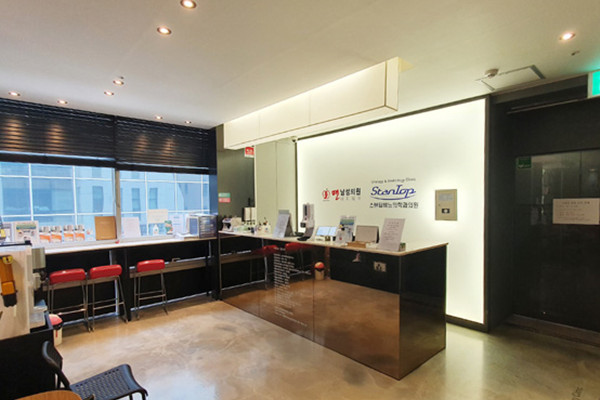
The original list includes STan to p Urology, a clinic translated as Surojin Urology, Adams Urology, Newman Urology and Trueman Urology. Services may range from urologic assessment to circumcision, corrective procedures and appearance-related treatment. Verify the exact service and clinician for the branch you plan to visit.
Prepare a clear description of symptoms, prior procedures, medication use, chronic conditions and the actual source of concern. Ask about non-surgical alternatives, scar placement, infection, sensation changes, sexual function and the expected time away from work, exercise and sexual activity. A clinic should be able to explain when a requested procedure is not medically indicated.
A six-part clinic check for international patients in 2026
- Operating surgeon: Confirm who conducts the consultation, who performs each part of surgery and who reviews you afterward. Check the surgeon’s current license status and relevant specialty credentials.
- Written procedure: The consent documents should identify the procedure, treatment area, materials, anesthesia, possible additions and circumstances in which the operation would be changed or discontinued.
- Anesthesia and emergencies: Ask who administers anesthesia, what monitoring is used, how an emergency transfer works, and whether overnight medical observation is available when appropriate.
- Foreign-patient support: Check whether the institution is registered to treat international patients, what interpretation is available, and whether important consent and aftercare information is provided in a language you understand.
- Aftercare: Obtain review dates, fit-to-fly guidance, medication instructions, warning signs, an after-hours contact and a plan for medical records before leaving Korea.
- Total cost: Separate consultation, testing, surgeon, anesthesia, facility, implant or materials, medication, garments, admission, interpretation and revision-policy costs.
How to compare quotes without being pulled into a package
Plastic surgery prices in Korea vary with procedure complexity, the surgeon, anesthesia, materials, facility use and whether the operation is primary or revision surgery. International patients should also budget for flights, accommodation, interpretation, follow-up visits and the possibility of delaying the return journey. A low headline quote is not useful unless the included and excluded items are written down.
Ask whether a discount depends on same-day payment, combining operations, allowing use of identifiable photographs, or posting a review. These conditions may affect privacy and can create pressure to decide before a complete medical consultation. Deposits, cancellation terms and the clinic’s revision policy should be provided in writing, including what costs remain the patient’s responsibility.
Do not shorten a medically necessary consultation or recovery period simply because flights are booked or a deposit is non-refundable. For bone surgery, general anesthesia, implants or revision work, two or three independent consultations often provide more useful information than a long list of promotional prices.
What recovery planning should include
Recovery is not just the number of days until bruising is less visible. Ask when you can shower, wash your hair, wear contact lenses, sleep flat, chew normally, lift luggage, exercise and fly. Determine whether swelling checks, drain removal, suture removal or imaging must happen in Korea. If a companion is recommended for the first night, plan that before the operation.
Tell the surgical team about allergies, smoking or nicotine use, hormonal medication, anticoagulants, supplements, previous anesthesia problems and all medical conditions. Do not discontinue prescription medication without guidance from the prescribing clinician and surgical team. Keep copies of invoices, consent documents, implant records, prescriptions, operative information and photographs in a secure location you can access after returning home.
How to turn this long list into three consultations
Choose one procedure as the priority and select three clinics that clearly offer it. Send each clinic the same questions and compare the written answers. Look for a named operating surgeon, a coherent explanation of anatomy and limits, a defined anesthesia and emergency plan, and aftercare that still works once you leave Korea. If answers change between the coordinator and surgeon, ask for clarification before paying.
Remove a clinic from the shortlist if it refuses to identify the operating surgeon, pressures you to pay before a medical consultation, minimizes complications, or cannot explain how urgent after-surgery concerns are handled. Also be cautious when an extensive multi-procedure plan is recommended immediately even though you asked about only one concern.
Korea’s Ministry of Health and Welfare maintains systems for international patient services, while Medical Korea provides information about registered and assessed institutions. Use those resources as a verification layer, not as a guarantee of a particular cosmetic outcome. The most defensible choice is the one supported by verifiable clinician credentials, an anatomy-based plan, appropriate anesthesia care, realistic recovery arrangements and a complete written quote.