Which Korean Liposuction Clinic Is Right for You? Techniques, Costs, and Safety
If you are searching for the best place to have liposuction in Korea, the number of choices can be overwhelming. Clinics may use similar language about precise contouring, advanced equipment, or fast recovery, but those claims do not tell you whether a particular plan is right for your body. The factors that matter more are the surgeon’s experience with your target area, how the fat layers will be treated, the quality of anesthesia and emergency support, and the follow-up available after surgery.
Liposuction is intended to reshape localized fat deposits that remain despite stable weight, exercise, and diet. Common areas include the abdomen, flanks, thighs, upper arms, and submental area. It is not a weight-loss procedure and it cannot correct every form of loose skin. A sensible clinic should discuss your skin elasticity, asymmetry, medical history, and expectations before recommending a device or quoting a package.
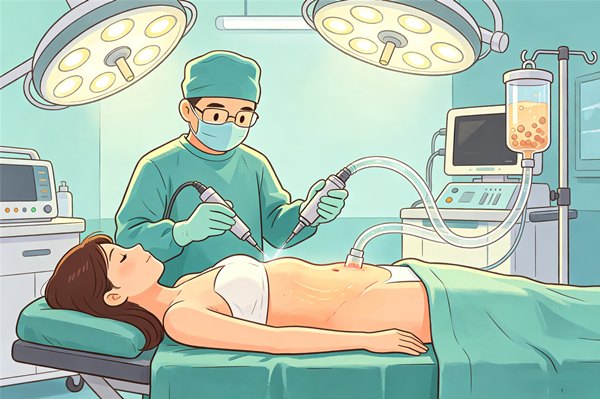
Common liposuction techniques offered in Korea
Suction-assisted liposuction (SAL) uses a cannula and negative pressure to remove fat. It is widely used for larger areas such as the abdomen and thighs. The technique can be effective for substantial localized fat, but swelling, bruising, and compression-garment use may last longer than promotional material suggests. The surgeon’s control of depth, transitions, and symmetry is critical.
VASER or ultrasound-assisted liposuction uses ultrasound energy to treat fat before aspiration. Korean clinics often offer it for the abdomen, waist, thighs, or more detailed contouring. The device itself does not guarantee a smoother result or faster recovery. Energy settings, treatment time, tissue condition, and operator experience all influence the outcome and the risk of heat-related tissue injury.
Small-area or minimally invasive fat removal may be proposed for the double chin, inner arms, or another limited area. A smaller incision and treatment zone may make early recovery easier, but it remains an invasive procedure. Claims such as “no downtime” or “no compression garment” should be discussed in relation to the amount removed and your individual anatomy.
Non-invasive fat reduction, including cryolipolysis, is not the same as surgical liposuction. It may suit people with a modest fat pocket who accept a gradual and relatively limited change over multiple sessions. If the fat layer is thick or the goal is a noticeable circumferential change, a doctor should explain whether a surgical option is more realistic.
How much does liposuction cost in Korea?
Korean clinics do not all calculate prices in the same way. A quote may be based on body area, number of zones, estimated fat volume, body weight, anesthesia, or the device selected. The following ranges are broad planning estimates rather than guaranteed prices.
| Area or treatment | Illustrative starting range | Common cost variables |
|---|---|---|
| Face or double chin | KRW 2.5–4 million | Area size and added tightening treatment |
| Upper arms or calves | KRW 3–5 million | Circumferential treatment and anesthesia |
| Abdomen or thighs | KRW 5–8 million | Number of zones, fat volume, and device |
| Multiple large areas | KRW 15–25 million | Operating time, admission, and aftercare |
| Non-invasive fat reduction | KRW 1.5–2 million per session | Applicators, treatment area, and sessions |
A promotional price is not necessarily the final cost. Ask whether the written quotation includes medical tests, anesthesia, medication, compression garments, interpretation, postoperative care, and follow-up. If the clinic charges more according to weight or estimated fat volume, request the calculation before paying a deposit.
Four clinic types and who they may suit
Large multispecialty plastic-surgery hospitals may offer dedicated anesthesia staff, inpatient observation, and coordinated procedures across several body areas. They can be useful for patients considering extensive contouring or a combined fat-transfer plan. Confirm whether the consulting doctor will also perform the surgery and whether the named surgeon is written into the booking documents.
Fat-contouring specialist clinics focus heavily on liposuction and fat grafting. Their workflows may be standardized, and some assign surgeons according to body area. They can be practical when comparing a focused abdomen, thigh, or arm plan, but specialization does not remove the need to check the surgeon’s credentials, anesthesia arrangements, and emergency transfer protocol.
Small-area or recovery-oriented clinics may emphasize local treatment, shorter stays, or lighter aftercare. They may suit someone with a limited fat pocket and a conservative goal. If the marketing promises painless treatment, no recovery, or no compression for everyone, ask the surgeon to explain exactly which patients qualify.
Revision-focused practices manage contour irregularities, adhesions, asymmetry, depressions, or abrupt transitions after prior liposuction. Revision is often more complex than a first procedure and may require scar release, fat grafting, or staged treatment. Bring the original operative record and earlier photographs if available, and wait until the tissue has stabilized before seeking a definitive revision plan.
Five questions that matter more than clinic popularity
1. Who will actually perform the operation? Confirm the surgeon’s full name, specialty credentials, current clinic, and experience with your target area. Before-and-after photographs are most useful when the patient’s build, skin quality, and treatment zone resemble yours. Check whether lighting, posture, and timing are reasonably consistent.
2. Who is responsible for anesthesia? Larger-volume liposuction may involve deep sedation or general anesthesia. Ask whether a qualified anesthesia professional will be present, what monitoring is used, where recovery takes place, and how the team handles an emergency. These details are at least as important as the brand of liposuction device.
3. How will the surgeon manage depth and transitions? The aim is not simply to remove the greatest possible volume. A balanced plan preserves an appropriate layer beneath the skin and creates smooth transitions between treated and untreated areas. If the consultation focuses only on the number of liters without discussing markings, asymmetry, skin laxity, or safe limits, the assessment is incomplete.
4. What is included in the total price? Obtain an itemized quotation covering surgery, anesthesia, laboratory tests, medicines, garments, postoperative treatments, and the clinic’s revision policy. Comparing deposits or event prices alone can produce a misleading picture.
5. What happens after you return home? International patients should know when stitches are removed, when flying is considered appropriate, which symptoms require urgent review, and whom to contact outside business hours. Ask whether the clinic can provide an English medical summary and operative details for a doctor in your home country.
How much recovery time should you allow?
Swelling, bruising, tightness, drainage, soreness, and reduced mobility are common during the first several days. Some patients can return to desk work in one to two weeks, while extensive or multi-area procedures may require longer. The contour is not final when the stitches are removed. Swelling and tissue firmness often continue to change over weeks or months.
Follow the operating surgeon’s instructions for compression garments, showering, massage, medication, and exercise. More massage is not automatically better, and intense activity too early may worsen swelling or discomfort. Seek urgent medical attention for chest pain, shortness of breath, persistent high fever, confusion, heavy bleeding, or marked one-sided calf pain and swelling.
Who should postpone or reconsider liposuction?
Pregnancy, breastfeeding, uncontrolled diabetes, significant heart or lung disease, clotting problems, rapidly changing weight, active infection, or inability to stop smoking and follow postoperative instructions may make surgery inappropriate or require delay. A proper medical assessment is essential, including disclosure of medications, supplements, allergies, previous operations, and any history of thrombosis.
People with substantial skin laxity should understand that removing volume may make looseness more visible. In some cases, a skin-excision procedure or another tightening strategy may need to be discussed. This is why an honest consultation may recommend a different operation, staged treatment, or no surgery at all.
A typical suitable candidate is near a stable target weight, has a clearly localized fat deposit, retains reasonable skin elasticity, and has realistic expectations about shape rather than dramatic weight loss. Before traveling, prepare your target areas, budget, medical history, current medicines, allergies, and the number of days you can remain in Korea. Compare at least two or three formal consultations and favor the team that explains limitations, risks, total costs, and follow-up clearly.
This article provides general educational information and does not replace an individual medical diagnosis. Liposuction is an invasive procedure with potential complications and variable recovery. A qualified clinician should perform an in-person assessment and determine whether the procedure and proposed setting are appropriate for you.