Is ELEV Clinic in Seoul Well Reviewed? Treatments, Doctors and Patient Feedback
International visitors researching aesthetic medicine in Korea may ask whether ELEV Clinic in Seoul is well reviewed. ELEV Clinic, written in Korean as 엘레브의원, is a reservation-based aesthetic clinic in Seoul’s Gangnam area. Its main focus is non-surgical anti-aging, energy-based lifting, skin care, fillers, skin boosters, and collagen-oriented treatments.
The clinic describes itself as a boutique anti-aging center with personalized treatment design and private treatment spaces. This positioning may appeal to patients who value a quieter environment, direct consultation, and a plan based on facial structure rather than a short menu of standard packages.
However, a clinic’s reputation should not be judged from promotional descriptions or a small number of high ratings alone. The quality of the medical consultation, the identity of the treating doctor, the clarity of the quotation, product and device verification, follow-up communication, and the patient’s own treatment goal are more useful indicators.
What Kind of Clinic Is ELEV?
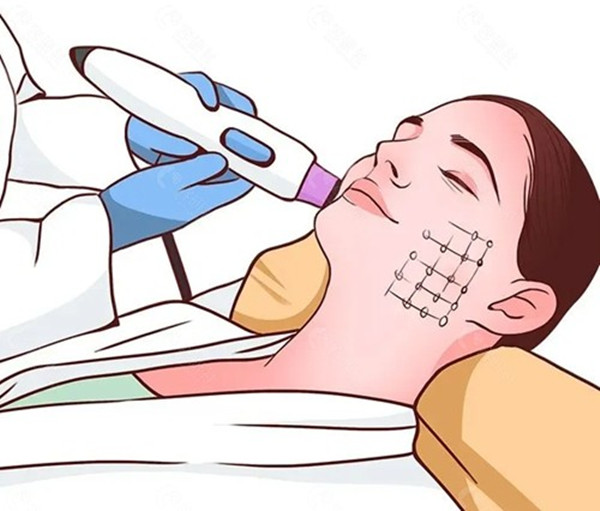
ELEV’s current English website presents the clinic as a private anti-aging center operating through advance appointments. The clinic states that treatment plans are designed according to skin type, skin thickness, facial structure, and the location of sagging.
Its services are oriented mainly toward non-surgical facial rejuvenation. Treatment categories shown across the clinic website and external pages include ultrasound-based lifting such as Ulthera Prime, radiofrequency and other tightening devices, fillers and facial volume management, skin boosters and collagen-focused procedures, skin texture and hydration programs, and combined plans for the jawline, cheeks, and localized laxity.
This means ELEV should be understood mainly as an aesthetic and anti-aging clinic rather than a large surgical hospital centered on facial bone surgery, rhinoplasty, or breast surgery. Patients should distinguish between a concern that may respond to non-surgical treatment and a structural problem that requires a surgical consultation.
What Do Current Ratings Suggest?
Several Korean and international aesthetic platforms display favorable ratings for ELEV Clinic. One platform lists doctor-page ratings around 4.8, with review counts ranging from dozens to several hundred depending on the doctor. Another platform aimed at international visitors displays high-scoring accounts related to skin care, laser treatment, and radiofrequency tightening.
Positive themes found in available reviews include explanations from the doctor before treatment, smooth communication with the clinic or booking team, a calm and private environment, consultations that appeared to consider the patient’s concern, and satisfaction with some skin care or tightening services.
These comments provide clues about service style, but they do not establish how every patient will respond. Some international platform reviews may be connected to invitations, booking assistance, or arranged experiences. Readers should check for any disclosure attached to an individual review.
Aesthetic-treatment reviews are also affected by lighting, makeup, facial expression, temporary swelling, the timing of photographs, home skin care, and patient expectations. The same device and doctor can produce different experiences for people with different skin thickness, facial volume, and treatment history.
Why Does ELEV Emphasize Personalized Design?
The clinic website highlights analysis of skin thickness, facial structure, and the degree of sagging. This is relevant because a less defined jawline can have several different causes.
One person may have skin laxity, another may have a greater amount of lower-face fat, and a third may have downward movement of facial volume. Strong masseter muscles or a naturally wide jawbone can create a similar appearance for different anatomical reasons.
If the cause is not identified, simply selecting a popular device or increasing the energy may not address the main issue. A patient with heavier lower-face tissue may need a different strategy from someone with a thin face and existing hollowness.
During consultation, the doctor should be able to explain which areas are related to laxity, volume, fat, muscle, or bone. Each recommended treatment should have a defined purpose. This is more meaningful than comparing only the number of ultrasound shots or the size of a package.
How Should Lifting Reviews Be Interpreted?
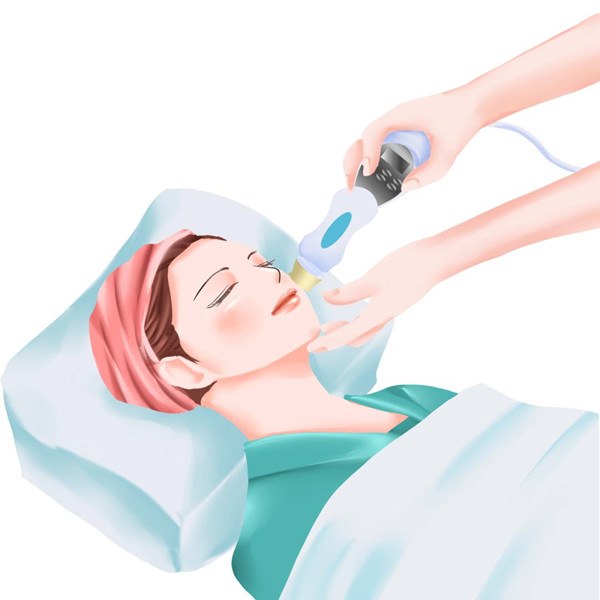
Lifting and tightening are among the treatments most frequently associated with ELEV. Available platform content mentions radiofrequency devices, ultrasound lifting, jawline care, and cheek-focused anti-aging treatments.
Some reviewers describe clear explanations from the doctor and a comfortable treatment environment. These factors can influence the overall experience, especially for a patient who is sensitive to pain or visiting a Korean aesthetic clinic for the initial time.
Nevertheless, lifting reviews should not be assessed only from photographs taken immediately after treatment. Short-term swelling, skin tension, lighting, facial angle, and camera distance can make early changes appear stronger. Different devices also have different timelines.
Patients can ask for the full device name, applicator or tip, approximate shot count where relevant, energy strategy, treatment zones, and expected assessment period. If the clinic recommends more than one device, the doctor should explain what each device is intended to address.
A patient with a naturally lean face should also ask how the doctor plans to avoid making hollow areas more noticeable. A person with a heavier lower face may need a different balance between tightening and fat-focused treatment.
What Do Skin Care Reviews Say?
External clinic pages include experiences involving laser treatment, Aquapeel, and general skin care. One reviewer stated that communication was smooth and that the doctor explained in advance that periodic care might be needed.
This type of expectation setting is important. Pores, oiliness, dryness, pigmentation, acne marks, redness, and barrier sensitivity are separate concerns. A treatment that helps surface congestion may not address deeper pigmentation or facial laxity.
Even when the treatment name is the same, settings, passes, treatment order, and paired products may differ. Patients should ask what the selected procedure is intended to improve and how the clinic will assess the skin before treatment.
Anyone experiencing active acne inflammation, infection, an allergic episode, or a damaged skin barrier should mention it during booking. Recent lasers, chemical exfoliation, radiofrequency procedures, injectables, and prescription skin medicines should also be discussed.
Fillers, Skin Boosters, and Collagen Treatments
ELEV’s listed categories include fillers, skin boosters, and collagen-oriented procedures. The outcome of these treatments depends not only on the product name but also on injection depth, dose, facial proportions, and the doctor’s design.
When a patient is concerned about hollow temples, cheeks, or under-eye shadows, the doctor should determine whether the appearance comes mainly from bone support, fat-volume reduction, laxity, or a combination. Adding material according to a standard number of syringes without evaluating the cause may create heaviness or imbalance.
Patients considering injectable treatment should ask for the exact product and specification, expected amount, treatment layer and areas, reason for choosing the material, whether the packaging can be checked, which temporary reactions may occur, how the clinic can be contacted afterward, and whether an in-person follow-up is recommended.
Previous fillers, collagen stimulators, fat grafting, threads, and other injections should be disclosed whenever possible. Product names, dates, amounts, and treatment areas can influence the next plan.
What Is Known About the Medical Team?
Current clinic and external pages list doctors including Lee Jeong Woo and Park Hye Seon. Doctor profiles on aesthetic platforms show experience categories that include lifting, fillers, skin care, and related procedures.
If a patient wants a specific doctor, the reservation message should confirm whether that doctor will conduct the consultation, design the plan, and personally perform the procedure. These steps are not necessarily completed by the same person at every clinic.
If there is no doctor preference, the patient can send the main concerns, previous treatment history, and preferred treatment category to the booking team. Before payment and treatment, the patient should still confirm the identity of the practitioner.
Review counts connected to a doctor’s platform page can be useful for finding repeated service themes, but numbers alone do not demonstrate whether that doctor is the right match for a particular facial structure or treatment goal.
Is the Reservation-Based, Private Model an Advantage?
ELEV states that consultations and treatment are provided by advance appointment. It also highlights private rooms and space for after-treatment rest. Patients who dislike crowded waiting areas or want more time for discussion may see this model as an advantage.
Advance booking also means that a walk-in visit may not have access to the desired doctor or device. International patients should provide their passport name, travel dates, main concern, preferred appointment times, and language needs before arriving.
Current clinic information lists weekday hours from 10:00 a.m. to 7:00 p.m. and Saturday hours from 10:00 a.m. to 4:00 p.m., with a break during the day. The clinic is closed on Sundays and Korean national holidays. Schedules should be reconfirmed for the intended visit date.
What Should International Visitors Confirm?
Although the clinic has an English website, one external platform lists Korean as the available language. International visitors should therefore confirm whether English, Chinese, or another language will be available during their appointment.
An English-language website does not necessarily mean that every doctor or staff member is fluent in English throughout the visit. Language assistance may be provided by a coordinator, an external interpreter, or a booking service.
Visitors should also confirm how much time is needed for consultation and treatment, whether a deposit is required, the cancellation conditions, whether the quotation includes tax and aftercare, whether consultation and treatment can occur on the same day, who will perform each part, and how the clinic can be contacted after the patient leaves Korea.
If an outside interpreter or booking agency is used, patients should understand the service scope, fees, and whether the service changes the clinic quotation.
How Can You Judge Whether a Review Is Useful?
A useful review usually identifies the treatment, doctor, treatment date, and observation period. A short statement saying only that the clinic was good or that the patient was satisfied provides limited information.
More useful details include whether the consultation was thorough, whether alternatives were explained, whether the price matched the earlier quotation, what temporary reactions occurred, and how the clinic responded to follow-up questions.
If a review was produced through an invited visit, discounted treatment, or a platform arrangement, it can still describe parts of the experience, but it should be considered separately from an independently paid visit. Comparing Korean-language platforms, international platforms, and clinic social channels can help identify recurring service patterns.
Patients should also be cautious with dramatic before-and-after photographs that do not use consistent lighting, angle, expression, and timing. A longer observation period is more informative for many collagen and energy-based treatments.
Who May Consider ELEV Clinic?
Based on its current positioning and treatment menu, ELEV may be considered by people who want an assessment for mild or moderate skin laxity, are concerned about the jawline or cheeks, want to discuss both energy-based lifting and volume management, are considering skin boosters or collagen procedures, value advance appointments and private space, or prefer to discuss individual anatomy instead of selecting only a popular package.
Patients whose main concern is a markedly wide facial bone structure, a significant bite abnormality, or a need for bone-cutting surgery may require consultation with an appropriate plastic-surgery or oral-and-maxillofacial department instead.
Is ELEV Clinic in Seoul Well Reviewed?
Overall, ELEV has accumulated favorable feedback in lifting, skin care, and injectable anti-aging. Repeated positive themes include doctor explanations, personalized design, the clinic environment, and attention to service details. Its reservation-based boutique model may suit patients who value privacy and consultation time.
However, the number of detailed international reviews remains limited, and some experiences may involve platform assistance or invited treatment. High scores should not be treated as proof that every patient will have the same response.
The more useful question is whether ELEV’s consultation and treatment model matches the individual patient. A suitable clinic should be able to explain the cause of the concern, identify the purpose of each procedure, provide an itemized quotation, name the treating practitioner, and offer a clear follow-up channel.
Before booking, patients can prepare their main concerns, previous treatment history, acceptable recovery period, and budget. Confirming the device, product, amount, doctor, cost, and aftercare during consultation provides a stronger basis for deciding whether ELEV is a suitable choice.