How Is Galleria Dermatology in Korea? Doctors, Acne Care, Pigmentation, and Anti-Aging Treatments
International visitors researching skin treatment in Korea may encounter the Chinese name “Kailiya Dermatology.” This name generally refers to Galleria Dermatology, written in Korean as 갤러리아피부과. The group operates several branches, including its Banpo-Jamwon main branch and clinics in Gaepo-Dogok, Seongbuk, Gangdong-Songpa, and Gwanggyo.
Galleria Dermatology presents itself as a dermatologist-led network providing both medical dermatology and cosmetic skin procedures. Its treatment range includes acne, acne scars, pigmentation, sensitive skin, hair and scalp concerns, laser procedures, energy-based lifting, injectables, skin boosters, and collagen-focused care.
The presence of specialist dermatologists is a meaningful feature, particularly for patients whose concerns involve inflammation, recurrent acne, unusual pigmentation, persistent redness, or a compromised skin barrier. Nevertheless, specialist credentials alone do not determine whether a particular doctor, branch, or procedure is suitable for every visitor.
A useful assessment should consider the doctor’s experience with the patient’s concern, the quality of diagnosis, the treatment rationale, the quotation, the proposed recovery period, and the availability of follow-up communication.

What Type of Institution Is Galleria Dermatology?
Aesthetic clinics in Korea vary in their medical structure. Some are general medical clinics that mainly provide cosmetic procedures, while others are dermatology practices staffed by doctors who have completed formal specialty training in dermatology.
Galleria emphasizes that its treatments are performed by board-certified dermatologists. Becoming a dermatologist in Korea generally requires medical education, licensing, an internship, dermatology residency training, and a specialty examination.
This background can be relevant when the concern is more than routine cosmetic maintenance. Recurrent acne, inflammatory rashes, melasma, dermatitis, changing pigmented lesions, hair loss, and persistent sensitivity may require medical assessment before a cosmetic procedure is considered.
At the same time, Galleria is not limited to skin diseases. Its listed services also cover lifting, collagen treatment, injectables, pores, texture, and other aesthetic concerns. It can therefore be understood as a medical dermatology and cosmetic dermatology network rather than a simple facial-care center.
Which Branch Should an International Patient Choose?
Galleria currently lists several Korean branches. The Banpo-Jamwon location is identified as the main branch. Other branches include Gaepo-Dogok, Seongbuk, Gangdong-Songpa, and Gwanggyo.
Doctors, equipment, schedules, and areas of clinical interest may differ among branches. A treatment advertised under the same network name may not be offered in exactly the same way at every location. International visitors should confirm the branch, treating doctor, device, product, and price before making travel plans.
Branch selection can be based on three questions:
- Which doctor frequently manages the patient’s main concern?
- Does that branch have the device or treatment being considered?
- Is the location convenient if an in-person follow-up is needed?
A branch that receives more attention on social media is not automatically a better choice for every problem. A patient with complex acne scarring may need a different doctor and equipment combination from someone seeking ultrasound lifting.
What Is Notable About the Medical Team?
The clinic’s current materials list multiple board-certified dermatologists. Several profiles describe medical education or residency training within the Yonsei University and Severance Hospital system, while some doctors also completed periods of training at overseas medical or research institutions.
Dermatology training covers a broader range of conditions than cosmetic device use alone. It includes inflammatory disease, acne, eczema, pigmentation disorders, skin growths, scalp conditions, hair loss, and dermatologic procedures.
This may be helpful when a visitor has symptoms such as repeated inflammation, burning, scaling, sudden sensitivity, or a pigmented spot that has changed. In these situations, identifying the nature of the problem should come before selecting a laser package.
However, dermatologists can still have different areas of experience. One doctor may focus more on acne scars and laser procedures, while another may frequently manage pigmentation, sensitive skin, lifting, or hair concerns.
Before booking, patients can ask which doctor commonly treats their condition and whether the consultation and procedure will be performed by the same physician. If another staff member conducts part of the assessment, the respective roles should be explained.
Is Acne and Acne-Scar Treatment a Major Area?
Acne and acne scars are among the areas frequently associated with Galleria Dermatology. The group describes a twelve-week program for complex acne scars, suggesting a staged approach rather than presenting one laser session as the solution for every scar.
Acne scars can be ice-pick, boxcar, rolling, hypertrophic, or mixed. Each type responds differently. A patient may also have active inflammatory acne, red marks, brown pigmentation, enlarged pores, and depressed scars at the same time.
When active acne is not controlled, immediately applying aggressive scar procedures may increase irritation and extend redness. A dermatologist may recommend controlling inflammation, sebum, follicular blockage, or infection before beginning scar-focused treatment.
During consultation, patients can ask the doctor to identify the scar types and explain which procedure addresses each component. Other useful questions include:
- How many sessions may be considered?
- How long is the interval between sessions?
- Is medication part of the plan?
- What type of temporary redness or crusting may occur?
- How will the plan be adjusted for skin that develops pigmentation easily?
- Which improvement is expected from each stage?
A twelve-week program does not mean every patient requires the same combination. Treatment intensity and sequence should reflect the person’s scar pattern and current inflammation.
How Is Pigmentation Treatment Approached?
Pigmentation is another common reason international visitors seek dermatology care in Korea. However, pigmentation is not one diagnosis. Freckles, solar lentigines, melasma, post-inflammatory pigmentation, and other pigmented conditions differ in cause and response.
Some lesions may respond to a specific laser wavelength, while melasma often requires a more cautious and gradual approach. Other cases may involve medication, sun protection, skin-barrier care, or a combination.
Choosing a general whitening or pigmentation package without identifying the type can lead to disappointment. A spot may lighten temporarily and return, while excessive treatment may trigger irritation or darker pigmentation.
A potential advantage of a dermatologist-led clinic is the ability to identify the likely pigment pattern before selecting a device. This is particularly relevant for melasma, sensitive skin with pigmentation, and patients who have previously experienced darkening after laser treatment.
Patients should ask whether the main objective is removal of discrete spots, gradual control of melasma, reduction of post-acne marks, or improvement in overall tone. These are different treatment goals.
What Anti-Aging and Lifting Treatments Are Available?
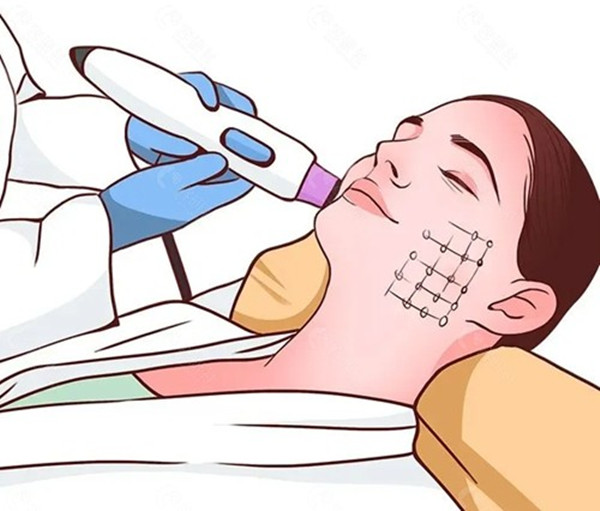
Galleria’s aesthetic categories include ultrasound and radiofrequency lifting, with devices such as Ulthera and Thermage appearing in its treatment information. These procedures are commonly considered for facial laxity, a less defined jawline, fine lines, and reduced firmness.
Ultrasound and radiofrequency use different forms of energy and act at different tissue depths. A person with thicker tissue and lower-face fullness may need a different plan from someone with thin skin and limited facial fat.
For a lean face, overly aggressive treatment in hollow areas may make volume loss more noticeable. For a heavier lower face, tightening alone may not address all of the contour concern.
Patients should ask which tissue layer the selected device is intended to treat, which areas will receive energy, and which areas should be protected. Shot count and energy are only parts of the plan. Applicator placement, facial anatomy, and existing volume are also important.
If several devices are recommended together, each one should have a separate purpose. A combined package should not be accepted only because it appears financially attractive.
Skin Boosters, Collagen Procedures, and Injectables
Galleria also provides skin boosters, collagen-oriented treatments, fillers, and related injectable procedures. These may be considered for dryness, rough texture, pores, fine lines, reduced elasticity, or localized volume loss.
The categories should not be treated as interchangeable. Hydration-focused products are generally selected for moisture and surface quality. Collagen stimulators are intended to support gradual firmness and structural change. Fillers are used more directly for volume and contour.
Before treatment, patients can confirm:
- The complete product name and specification;
- The proposed amount;
- The treatment area and injection layer;
- Why that product was selected;
- Whether the packaging can be checked before use;
- Common temporary reactions;
- The recommended assessment and follow-up time.
Previous fillers, collagen stimulators, fat grafting, threads, and energy treatments should be disclosed. Product names, treatment dates, amounts, and locations may affect the next procedure.
Injectable treatment can involve needle marks, swelling, tenderness, bruising, or temporary unevenness. The clinic should provide a clear contact method if symptoms develop after the patient leaves.
Can People With Sensitive Skin Consider the Clinic?
“Sensitive skin” can describe several different situations. It may involve a damaged barrier, rosacea, contact dermatitis, seborrheic dermatitis, allergy, or irritation caused by excessive procedures and skin-care products.
A patient who frequently experiences redness, burning, heat, peeling, or reactions to cosmetics should begin with an assessment rather than immediately scheduling strong lasers, chemical exfoliation, or multiple treatments.
The dermatologist-led model may be particularly relevant for these visitors because the doctor can consider whether the skin is stable enough for an aesthetic procedure. Sometimes the appropriate initial plan is to reduce irritation and simplify skin care rather than add another device session.
Patients can bring a list or photographs of current skin-care products, prescription medicines, supplements, and previous reactions. They should also mention recent lasers, microneedling, peels, radiofrequency, or injectable treatment.
Does Galleria Have a Broad Device Selection?
The group describes a substantial selection of dermatology and aesthetic equipment across its branches. Its treatment range includes laser, light-based, radiofrequency, ultrasound, and other energy technologies.
A broad selection can give doctors more options for choosing wavelengths, tissue depths, and treatment methods. It can also make the menu confusing for patients.
The number of devices should not be the main reason to choose a clinic. More useful questions are why a particular device was selected, which setting or treatment depth is planned, what concern it addresses, and whether a gentler alternative is available.
The same device can be used differently according to skin type, thickness, pigmentation tendency, and treatment history. Parameter design and spacing between sessions are especially important for reactive skin and skin that develops dark marks easily.
Is Galleria Dermatology a Budget Clinic?
Based on its specialist-led positioning, equipment range, and branch structure, Galleria does not appear to be designed primarily as a low-cost, high-volume cosmetic clinic. Some procedures may cost more than comparable treatments at large promotional chains.
Price differences can result from the doctor, device version, shot count, energy plan, product brand, dose, treatment area, and whether several procedures are combined.
International visitors should request an itemized quotation. It should clarify whether the amount includes consultation, numbing, products, taxes, and aftercare. If the quotation is a package, the purpose of each part should be explained.
A package may offer a lower combined price, but that does not make every included procedure necessary. Patients can ask whether the plan can be simplified to focus on the main concern.
What Should International Visitors Confirm Before Booking?
The branch should be confirmed before anything else. Each location may have different doctors, equipment, schedules, and appointment availability. A requested dermatologist or Saturday appointment may need advance planning.
The booking message can include the passport name, main concern, previous treatments, preferred date, alternative time, and language requirement. If English or Chinese assistance is needed, confirm whether it is provided by clinic staff or an external interpreter.
Other questions include:
- Is a reservation deposit required?
- What are the cancellation and rescheduling rules?
- Can consultation and treatment occur on the same day?
- How much time should be reserved?
- Which doctor will perform the procedure?
- How can the clinic be contacted after the patient returns home?
- Is follow-up possible if the treatment requires several sessions?
A multi-session acne-scar, pigmentation, or anti-aging plan may be difficult for someone making only one short trip. The schedule should be discussed before payment.
How Can Patients Decide Whether Galleria Is Suitable?
Patients can assess the clinic through four practical areas. The doctor should be able to explain the likely condition and cause. The proposed treatment should relate directly to the main concern. The quotation should identify what is included. Follow-up and communication arrangements should also be clear.
For recurrent acne, complex scars, pigmentation, or sensitivity, dermatologist consultation may be a meaningful advantage. For simple hydration or cleansing, patients may want to compare time, price, and service style with other options.
During consultation, it is reasonable to ask what may happen without treatment, whether a more conservative option exists, and whether one priority can be treated before adding other procedures.
A consultation that explains limits and alternatives often provides more useful information than one that recommends several packages without discussing the underlying skin condition.
How Is Galleria Dermatology in Korea Overall?
Overall, Galleria Dermatology’s notable features are its board-certified dermatologist model, multiple branches, broad device selection, and combination of medical and cosmetic skin care. Acne, acne scars, pigmentation, sensitive skin, and anti-aging are among the areas worth considering.
The clinic may suit patients who want their skin condition assessed before selecting a cosmetic procedure. It may be less suitable for someone whose main priority is purchasing a fast, inexpensive treatment without a detailed consultation.
Doctors and equipment differ among branches, so visitors should verify the location, practitioner, device, quotation, and language support. A natural-light photograph, treatment history, medicine list, and skin-care list can help make the consultation more focused.
The decision should ultimately be based on whether the doctor’s explanation fits the skin condition, whether the proposed treatment has a clear purpose, and whether the cost, recovery period, and follow-up plan are manageable for the patient.