How to Choose a Facial Lifting Hospital in Korea: BIO, Dream, Bidangui, Wonjin, and Juvely Compared
For people considering treatment in Korea for deeper nasolabial folds, jowls, a less defined jawline, or neck laxity, choosing a hospital should involve more than comparing advertisements or incision length. Facial aging may result from reduced skin elasticity, changes in fat position, weakened ligaments, and insufficient support from the superficial musculoaponeurotic system, or SMAS. Depending on the findings, suitable options may include ultrasound or radiofrequency tightening, thread lifting, a limited-incision lift, or an incisional facelift. The following guide compares the treatment approaches associated with BIO Plastic Surgery, Dream Plastic Surgery, Bidangui Plastic Surgery, Wonjin Plastic Surgery, and Juvely Plastic Surgery. The order is not a ranking, and the final plan should be based on an in-person consultation and examination.
1. BIO Plastic Surgery: An Emphasis on the SMAS Layer
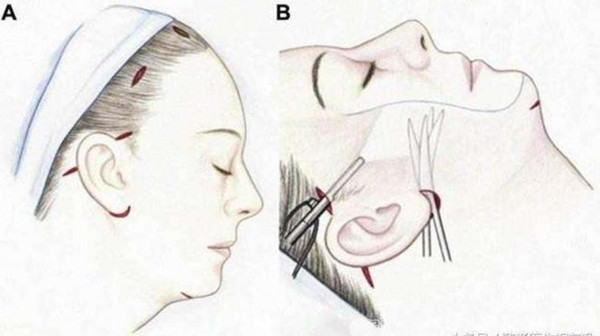
BIO’s facial lifting approach places particular emphasis on the lower face and the SMAS layer. An incisional facelift does not simply tighten the surface skin. The surgeon may assess whether the cheeks, nasolabial folds, jowls, jawline, and neck need to be addressed together. This type of plan may be more relevant to people with noticeable laxity across a wider area who want to improve the contours of the midface and lower face.
During the consultation, patients can ask about the extent of dissection, the location of SMAS fixation, incisions around the ears or hairline, and the arrangements for dressing changes and follow-up visits. Skin thickness and tissue condition differ from person to person, so the surgical extent should not be selected only by looking at someone else’s before-and-after photographs.
2. Dream Plastic Surgery: Multilayer Facial Rejuvenation Assessment
Dream Plastic Surgery offers consultations for SMAS facelifts, limited-incision lifting, forehead and brow lifting, neck lifting, and non-incisional tightening procedures. Its assessment may look beyond the skin surface to consider fat pads, ligaments, the fascial layer, and overall facial proportions.
If cheek hollowing, downturned mouth corners, or volume loss is also present, the surgeon may discuss fat grafting or another contouring option. Whether an additional procedure is appropriate should depend on the location of tissue loss, the patient’s budget, and the purpose and recovery period of each treatment.
3. Bidangui Plastic Surgery: A Limited-Incision QMC Lift Option
One procedure associated with Bidangui is the QMC lift, which is presented as a way to address sagging tissue through relatively small incisions while considering both the skin and deeper support structures. QMC is a hospital-specific treatment name, however, and the name alone does not explain the exact surgical steps.
Patients should ask about incision length, the dissection plane, whether the SMAS is treated, the fixation material, and the expected duration of the change. A smaller incision is not appropriate for everyone. When there is substantial excess skin or pronounced deep-tissue laxity, the surgeon may need to evaluate a different approach.
4. Wonjin Plastic Surgery: Planning Based on the Cause of Aging
A facial lifting consultation at Wonjin may first distinguish among skin laxity, descended fat, reduced fascial support, and facial volume loss before discussing tissue lifting and the removal of excess skin. People who have jawline, jowl, and neck concerns at the same time can ask whether the lower face and neck should be planned together.
Before surgery, patients should verify that the consulting surgeon and operating surgeon are the same person. They should also confirm the anesthesia method, whether hospitalization is required, the suture-removal schedule, and the recommended date for traveling home so that an overly short trip does not interfere with follow-up care.
5. Juvely Plastic Surgery: Attention to the 4CUS Thread Lift
Juvely is often mentioned in connection with the 4CUS absorbable thread lift and may be considered by people who want to learn about a non-incisional lifting option. Thread lifting uses implanted threads to provide tissue traction and fixation for localized contour concerns. Suitability depends on the thread material, insertion plane, number of threads, placement direction, and the practitioner’s experience.
Because 4CUS is also a treatment name, patients can ask about the actual thread brand, material, number of threads, operating doctor, and possible issues such as dimpling, asymmetry, infection, or thread exposure. When laxity is already pronounced, the degree of change achievable with threads may be limited.
6. How Can Different Degrees of Facial Laxity Be Compared?
| Common Concern | Options to Discuss First |
|---|---|
| Mild laxity and slightly blurred contours | Ultrasound, radiofrequency, or thread-lift assessment |
| Moderate jowls and a less defined jawline | Thread lift, limited-incision lift, or lower-face lift |
| Noticeable excess skin and deep-tissue laxity | Assessment for an incisional SMAS facelift |
| Neck lines or neck laxity | Assessment for a facelift combined with a neck lift |
| Laxity accompanied by hollowing | Separate assessment of lifting and volume replacement |
7. What Should Be Confirmed Before a Consultation in Korea?
- The surgeon’s assessment of the main cause of aging and the anatomical layers to be treated.
- The incision location, scar direction, dissection plane, and fixation method.
- Whether the quotation includes anesthesia, examinations, medication, dressing changes, suture removal, and interpretation.
- Possible swelling, bruising, altered sensation, scarring, and asymmetry.
- The recommended length of stay in Korea and the follow-up process after returning home.
BIO, Dream, Bidangui, Wonjin, and Juvely each have a different treatment focus. People with mild laxity may begin by comparing non-surgical procedures or thread lifting. Those with moderate laxity can ask about limited-incision and lower-face lifting. When excess skin, neck laxity, or deep-tissue descent is more noticeable, assessment by a plastic surgeon with appropriate credentials and facelift experience becomes especially important. When choosing a Korean facial lifting hospital, compare the surgeon’s qualifications, the surgical layers involved, the explanation of risks, the complete cost, and the follow-up plan on the same checklist.