How Much Does a SMAS Facelift Cost in Korea? A 2026 Budget and Travel Guide
A SMAS facelift in Korea commonly costs about KRW 8 million to KRW 18 million, while a limited mini facelift may cost approximately KRW 5 million to KRW 12 million. More extensive deep-plane surgery, a combined face-and-neck lift, or revision surgery may cost KRW 15 million to KRW 35 million or more.
These figures are planning ranges rather than fixed clinic quotations. The phrase “fascia lifting” can describe several different procedures in everyday conversation. One clinic may use it for a limited-incision lower-face lift, while another may mean a full operation that repositions the superficial musculoaponeurotic system, commonly called the SMAS. Some quotations also include neck work, fat grafting, liposuction, or a brow lift.
For this reason, patients should compare the surgical layer and treatment area, not just the procedure name. A low starting price and a comprehensive face-and-neck quotation may describe very different operations.
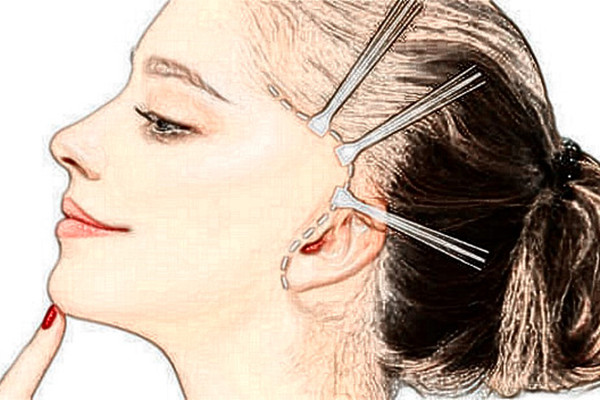
How Much Does a Korean SMAS Facelift Usually Cost?
A practical 2026 Seoul budget can be divided into the following ranges:
- Limited or mini facelift: KRW 5 million to KRW 8 million
- Advanced mini or limited SMAS lift: KRW 6 million to KRW 12 million
- Standard SMAS facelift: KRW 8 million to KRW 18 million
- Deep-plane facelift: KRW 15 million to KRW 25 million or more
- Facelift with neck correction: KRW 12 million to KRW 25 million or more
- Revision facelift: KRW 18 million to KRW 35 million or more
- Brow or forehead lift: KRW 3 million to KRW 9 million
- Facial fat grafting: KRW 2.5 million to KRW 5 million
Currency conversions should be treated cautiously because exchange rates change. A patient should use the Korean-won quotation as the primary figure and calculate the home-currency amount close to the payment date.
A price shown on a promotion page may apply only to a specific treatment area, incision length, doctor, or appointment period. It may also exclude anesthesia, testing, medication, aftercare, or tax. The meaningful figure is the itemized total for the recommended plan.
Why Do Korean SMAS Facelift Prices Vary So Much?
The depth and extent of surgery strongly influence the quotation. A limited procedure that removes a small amount of loose skin requires a different amount of operating time and tissue work from an operation that releases and repositions deeper support structures.
A mini facelift may focus on early jowling and the lower jawline. A standard SMAS facelift may treat a broader section of the midface and lower face. A deep-plane operation may involve a different dissection plane and ligament release. Although these procedures are all described as facelifts, they are not identical services.
The patient’s anatomy also matters. Skin quality, facial fat distribution, bone structure, neck laxity, previous threads, fillers, scars, and earlier facial surgery can change the amount of work required. Revision surgery is often more complex because normal tissue planes may have been altered.
The surgeon, anesthesia arrangement, operating facility, length of observation, and after-surgery program can also affect the total. Comparing price without comparing these elements can create a misleading impression.
How Much Is a Mini SMAS Facelift in Korea?
A mini or limited SMAS facelift in Seoul often falls between KRW 5 million and KRW 12 million. It is commonly considered by patients whose main concerns involve the lower face, early jowls, mouth-corner laxity, or reduced jawline definition.
The term “mini” is not standardized. At one clinic it may refer to a shorter incision; at another it may describe a limited dissection area. Some procedures manipulate the SMAS through plication or fixation, while others mainly tighten skin. Patients should therefore ask exactly what layer is treated.
Useful questions include: Does the operation reposition the SMAS or primarily remove skin? Where is the incision? Which areas of the face are included? Is the quotation for both sides? Are anesthesia and aftercare included? How many review visits are expected?
A mini operation is not automatically suitable for every patient. If laxity extends through the midface and neck, a very limited procedure may not address the main concern. The treatment extent should be based on examination rather than price alone.
How Much Is a Standard SMAS Facelift in Korea?
A standard SMAS facelift commonly costs around KRW 8 million to KRW 18 million. The operation is designed to address more than surface skin by treating the deeper support layer according to the patient’s anatomy.
Even within this category, techniques differ. A surgeon may use SMAS plication, SMASectomy, limited undermining, extended dissection, or another method. Patients do not need to choose a technique based on terminology alone, but they should understand what the proposed procedure will treat.
The quotation may rise when the plan includes the midface, lower face, jawline, or part of the neck. Surgeon selection, anesthesia, operating time, and overnight observation may also change the total.
During consultation, ask the surgeon to explain the treatment vector, incision, tissue layer, expected scar location, and reason for recommending that approach. This information is more useful than comparing the number of stitches or fixation points.
How Much Is a Deep-Plane Facelift in Korea?
A deep-plane facelift in Seoul may cost approximately KRW 15 million to KRW 25 million or more. When the procedure includes substantial neck work, revision surgery, or several facial areas, the quotation may exceed this range.
A deeper technique is not automatically appropriate merely because it costs more. A patient with localized or mild laxity may be better suited to a less extensive operation. Conversely, a limited incision may not sufficiently address widespread lower-face and neck laxity.
Patients should ask what the clinic means by “deep plane,” which anatomical areas are released, whether neck correction is included, and how long the operation and recovery schedule are expected to be. Similar marketing names can describe different surgical scopes.
The experience required for complex dissection, the anesthesia team, facility resources, and after-surgery monitoring can influence the fee. These elements should be considered together with the proposed anatomical correction.
How Much Does Neck Work Add to a Korean Facelift?
Lower-face aging frequently appears together with neck-skin laxity, platysma changes, or fullness beneath the chin. Adding a neck lift may increase the quotation by approximately KRW 3 million to KRW 7 million. A combined face-and-neck operation may have a total budget of KRW 12 million to KRW 25 million or more.
Submental liposuction, fat grafting, brow lifting, eyelid surgery, or another procedure can further increase the cost. Combining procedures may reduce duplicated facility or anesthesia charges in some situations, but it also increases operating time and recovery demands.
Patients should ask which additions directly address the primary concern and which are optional. A clearly prioritized plan makes it easier to decide whether to combine treatments or schedule them separately.
What Is Usually Included in a Korean Facelift Quotation?
Quotation formats differ between clinics. Before comparing two prices, request an itemized explanation covering:
- Surgeon and surgical fees
- Anesthesia and anesthesia personnel
- Blood work or imaging
- Operating-room and material charges
- Medication and dressings
- Observation or inpatient accommodation
- Compression garments or facial bands
- Suture removal and review visits
- Language assistance
- Tax and payment charges
Some clinics bundle many of these services, while others list them separately. A promotional amount may represent only the procedure fee. Asking what is excluded is just as important as asking what is included.
International card payments and bank transfers can produce transaction fees and exchange-rate differences. Refunds may also return a slightly different home-currency amount because of financial processing.
Can You Book a Low-Priced Korean SMAS Facelift Promotion?
A promotional price may be tied to a selected doctor, weekday appointment, limited treatment area, specific date, or consent relating to photographs. Patients should understand every condition before reserving.
A phrase such as “SMAS facelift from KRW…” indicates a starting amount, not necessarily the final quotation. The patient’s degree of laxity, revision status, neck involvement, anesthesia needs, and chosen surgeon can change the price after examination.
Before sending a deposit, obtain written confirmation of the patient’s name, procedure, doctor when applicable, reservation date, payment purpose, cancellation deadline, and rescheduling terms. A price image alone is not enough documentation for an overseas surgical booking.
Patients should also verify whether the quoted procedure is surgical. Energy-based lifting, threads, limited-incision surgery, and a full SMAS operation should not be treated as interchangeable simply because similar wording appears in translated material.
What Other Expenses Should Be Added to a Korea Facelift Budget?
The surgical fee is only part of a medical-travel budget. Patients should also plan for flights, accommodation, local transportation, meals, medication, language support, a companion, after-surgery supplies, and possible extra nights in Seoul.
A surgical facelift is generally not a treatment that should be followed immediately by a long flight. The appropriate stay depends on the extent of surgery, anesthesia, swelling, suture-removal date, and the surgeon’s review plan. Keeping several flexible accommodation days in the budget can help if an appointment or flight needs to change.
A companion may create additional flight and hotel costs but can be helpful with luggage, transport, meals, and early recovery. Choosing accommodation near the clinic or a convenient subway line may be more practical than selecting a cheaper room that requires a long journey.
Patients should also consider the cost of returning for an in-person review if a concern cannot be handled remotely after they leave Korea.
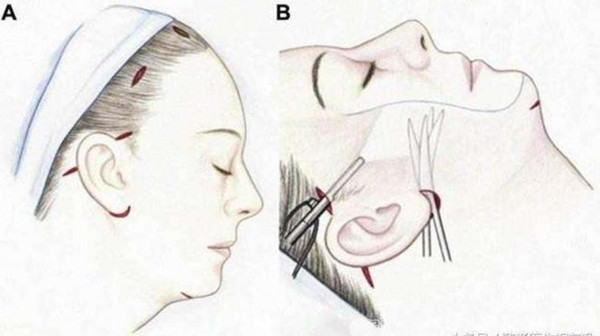
How Can You Compare Korean SMAS Facelift Prices Fairly?
Create a comparison sheet with the same fields for each clinic: procedure, anatomical layer, treatment areas, incision, surgeon, anesthesia, testing, observation, after-surgery visits, exclusions, and total cost. Quotations are meaningful only when they describe reasonably similar plans.
Price should be considered alongside the surgeon’s experience with comparable anatomy and levels of laxity. Ask whether the operating surgeon conducts the consultation, how revision cases are managed, and how patients can contact the clinic after returning home.
Language arrangements also matter. The patient should be able to understand the proposed dissection, incision, anesthesia, limitations, risks, and aftercare instructions. Important consent details should not depend on a rushed or incomplete interpretation.
Avoid selecting a plan solely because the hospital building is large, the social-media images are appealing, or the opening quotation is low. The relevant question is whether the proposed operation matches the patient’s anatomy and priorities.
What Should You Ask During a Korean SMAS Facelift Consultation?
Ask the surgeon to identify where the laxity is located and which tissue layer is creating the visible concern. Then ask why a mini lift, SMAS facelift, deep-plane operation, or nonsurgical alternative is being recommended.
Other useful questions include:
- Which parts of the face and neck will be treated?
- Where will the incisions be placed?
- What type of anesthesia is planned?
- Will an anesthesia specialist be present?
- What tests are needed before surgery?
- How long should the patient stay in Seoul?
- When are dressings changed and sutures removed?
- When can the patient wash hair, exercise, or fly?
- How are questions handled after the patient leaves Korea?
- Which additional procedures are necessary and which are optional?
A patient who does not understand the proposal does not need to decide immediately. The procedure, itemized cost, expected recovery, and travel requirements can be reviewed before a deposit is paid.
How Much Money Should You Prepare for a Korean SMAS Facelift?
A reasonable starting budget is KRW 5 million to KRW 12 million for a limited or mini facelift, KRW 8 million to KRW 18 million for a standard SMAS facelift, and KRW 15 million to KRW 25 million or more for a deep-plane or combined face-and-neck procedure. Revision surgery may cost KRW 18 million to KRW 35 million or more.
Travel, accommodation, local transport, medication, and flexible recovery days should be added separately. Patients considering several procedures should request both a combined quotation and individual prices so that they can understand the financial and recovery impact of each addition.
The procedure name alone does not determine the cost. The anatomical layer, treatment area, previous surgery, surgeon, anesthesia, facility, and aftercare arrangement all contribute to the final amount. A written, itemized quotation is therefore more valuable than an isolated starting price.