How Is Breast Augmentation at KOREA Plastic Surgery? A Detailed Review of Implants, Surgical Planning, Safety, and Medical Travel
How is breast augmentation at KOREA Plastic Surgery? This is a common question among international patients considering breast surgery in Seoul. Evaluating a clinic’s breast augmentation service requires more than looking at implant brands, prices, or selected case photographs. The surgeon’s breast-surgery experience, preoperative measurements, implant selection, incision design, pocket placement, anesthesia arrangements, and follow-up system all deserve attention.
Breast augmentation is not simply a matter of adding volume. Every patient has a different chest width, breast base, skin elasticity, tissue thickness, nipple position, and degree of natural asymmetry. These anatomical differences influence the implant width, projection, volume, incision, and placement plane that may be considered.
For patients traveling to Korea, the evaluation should also cover the identity of the operating surgeon, the exact implant model, anesthesia responsibility, recommended stay in Seoul, review schedule, and communication after returning home. Examining these elements individually provides a more useful assessment than relying on a simple positive or negative description of the clinic.
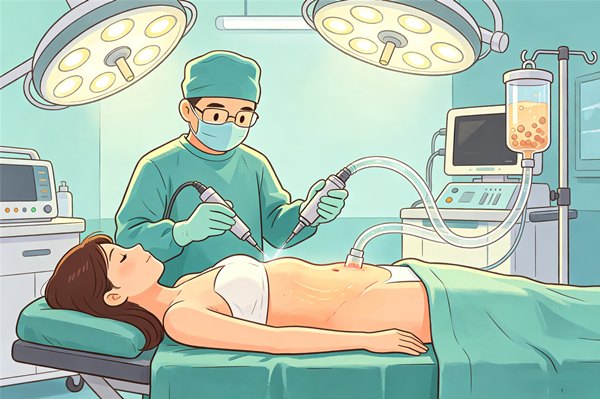
What Is Currently Known About KOREA Plastic Surgery Breast Augmentation?
Available third-party materials state that KOREA Plastic Surgery previously provided implant breast augmentation and other cosmetic procedures. Older Korean references also associate the clinic with a breast augmentation concept involving several elements of breast design.
These materials provide historical context, but they do not establish who currently performs the surgery or whether the institution still operates under exactly the same structure. Clinics can change names, surgeons, locations, and treatment menus over time.
A prospective patient should not treat an old case photograph as current evidence unless the operating surgeon is identified and is still working at the clinic. The same principle applies to reviews that do not include a date, surgeon, implant, or clear procedure details.
The reasonable approach is to treat KOREA Plastic Surgery as a clinic requiring updated verification rather than assuming that older descriptions remain unchanged.
What Breast Augmentation Methods May Be Discussed at KOREA Plastic Surgery?
Breast augmentation generally includes implant surgery, fat-transfer augmentation, and combined procedures. Each option has different anatomical requirements and limitations.
Implant augmentation uses a breast implant to add volume and shape. It may be considered by patients seeking a noticeable size increase, more upper-pole fullness, or improvement in asymmetry. The plan depends on implant width, projection, profile, shell, gel characteristics, and placement.
Fat-transfer augmentation removes fat from another body area, processes it, and injects selected tissue into the breasts. The possible increase depends on available donor fat, breast skin, circulation, and the amount that can be placed responsibly during one session.
A hybrid plan combines an implant with fat transfer. Fat may be used to soften an implant edge or adjust a localized contour. More procedures do not automatically create a better result. The additional step should have a clear anatomical purpose.
Patients contacting KOREA Plastic Surgery should ask which methods are currently offered and which surgeon performs each one.
How Should Implant Size Be Chosen at KOREA Plastic Surgery?
Implant selection should not begin with cup size alone. Bra sizing varies between manufacturers, and a stated cup increase does not describe width, projection, or how the implant will fit the chest.
Consultation measurements may include chest width, breast base width, nipple position, fold level, tissue thickness, skin elasticity, and asymmetry. The surgeon then considers implant diameter, projection, shape, and volume.
Two patients can receive implants with the same volume and look very different because their frames and tissues differ. A narrow implant with greater projection also behaves differently from a wider implant with moderate projection, even when the volume number is similar.
Patients may bring reference photographs to communicate preferences, but a photograph cannot be copied exactly onto another body. It is more helpful to describe preferences such as subtle, fuller upper breast, balanced side profile, or a more noticeable size increase.
The surgeon should explain why the proposed dimensions fit the patient’s chest and what compromises may be necessary.
Which Implant Brands Does KOREA Plastic Surgery Use?
South Korean breast surgery clinics may offer several implant brands and product families. KOREA Plastic Surgery’s current implant menu should be confirmed directly because earlier references may not reflect present availability.
Implants differ in shell characteristics, gel consistency, shape, base diameter, projection, size range, warranty, and manufacturer follow-up. The most expensive implant is not automatically appropriate for every patient.
A useful comparison asks whether the selected implant fits the patient’s breast base, whether enough tissue exists to cover it, how the chosen profile affects the side view, and how familiar the surgeon is with that product family.
After surgery, patients should receive or retain implant details including the manufacturer, model, size, and serial number. This information may be needed for future imaging, warranty questions, revision planning, or another medical consultation.
If a clinic cannot clearly state the implant model before surgery, the patient should request clarification before proceeding.
Which Incision May KOREA Plastic Surgery Recommend?
Common breast augmentation incisions include the armpit, inframammary fold, and areolar border. Each route has different considerations.
An axillary incision avoids a scar directly on the breast, but the surgical pathway is longer. An inframammary incision gives direct access to the implant pocket and allows the surgeon to see the lower breast fold, but the scar must be positioned carefully. An areolar incision depends on areolar dimensions, tissue characteristics, and the type of operation.
The incision should not be selected only because it sounds less visible. Implant size, pocket control, revision history, breast fold, and scar tendency all influence the choice.
During consultation, ask why a particular incision is recommended, where the scar is expected to sit, how long scar care continues, and whether a different route would change pocket control.
For revision breast augmentation, the existing scar and capsule may influence whether the surgeon uses the old incision or creates another approach.
Where Is the Implant Placed at KOREA Plastic Surgery?
Implants may be placed above the chest muscle, below the muscle, or using a dual-plane approach. The exact terminology may vary, so the surgeon should explain the proposed anatomy rather than provide only a short label.
Patients with thin tissue may need more implant coverage to reduce visible edges or rippling. Patients with more natural breast tissue, a different chest shape, or mild drooping may require another approach.
Dual-plane surgery adjusts the relationship between the implant, chest muscle, and lower breast tissue. There are different ways to create this pocket, and the term does not describe every surgical detail.
Ask how the pocket will be made, whether the implant is expected to move during muscle contraction, how the lower fold will be managed, and how existing asymmetry affects placement.
No single pocket is suitable for every patient. A plan should account for tissue thickness, lifestyle, implant dimensions, and the desired breast shape.

Can KOREA Plastic Surgery Correct Breast Asymmetry?
Most patients have some natural asymmetry. The breasts may differ in size, nipple height, fold position, ribcage shape, or projection. Augmentation can consider these differences, but it may not remove every asymmetry.
Some patients may receive implants of different volumes or profiles. Others may need fold adjustment, fat transfer, a lift, or another procedure. When asymmetry is caused partly by the ribcage, an implant cannot alter the underlying bone structure.
The surgeon should identify asymmetry before surgery and explain which differences may remain. Preoperative photographs and measurements help patients understand their starting anatomy.
A promise of perfectly identical breasts would not reflect normal human anatomy. The more useful goal is an improvement in balance that respects tissue and skeletal differences.
Patients considering KOREA Plastic Surgery should ask to see cases with a similar chest shape and confirm that those procedures were performed by the surgeon they are meeting.
Who May Be a Candidate for Breast Augmentation at KOREA Plastic Surgery?
Breast augmentation may be considered by adults who have limited breast volume, postpartum volume loss, developmental asymmetry, or a desire to change body proportions. Candidacy requires an individual medical assessment.
Patients with a breast mass, unresolved breast symptoms, unstable chronic illness, bleeding disorders, or active infection may need additional evaluation before cosmetic surgery. Pregnancy and breastfeeding also affect timing.
A patient with previous implants, fat transfer, breast surgery, or radiation treatment should provide earlier operative information and imaging when available. Revision cases often require a different strategy because scar tissue and capsule formation may change the anatomy.
When significant breast drooping is present, an implant alone may not adequately reposition the nipple or remove loose skin. The surgeon may discuss a breast lift, but the additional scars and recovery should be explained clearly.
What Should You Ask During a KOREA Plastic Surgery Consultation?
The consultation should identify the surgeon who will perform the procedure and clarify whether that doctor focuses substantially on breast surgery. Ask whether the consulting surgeon completes the main operative steps and how care is handed over after surgery.
Useful questions include:
- Which implant brand, model, width, projection, and volume are recommended?
- Why does that implant fit the patient’s chest?
- Which incision and pocket are planned?
- How will asymmetry be managed?
- Who provides anesthesia and monitors the patient?
- Is overnight observation needed?
- How many follow-up visits are expected?
- When can the patient shower, work, drive, exercise, and fly?
- How long should an international patient stay in Seoul?
- Who responds if a concern appears after departure?
- Will the patient receive implant identification details?
- What future breast imaging is recommended?
If an interpreter is involved, the patient should make sure medical explanations are translated fully. The consultation should cover more than the price, accommodation, and airport schedule.
How Should Anesthesia at KOREA Plastic Surgery Be Evaluated?
Implant breast augmentation is commonly performed under general anesthesia. Patients should confirm who conducts the anesthesia assessment, who remains responsible during surgery, and how recovery is monitored.
The medical team needs information about allergies, previous anesthesia reactions, chronic illness, current prescriptions, supplements, smoking, and recent health changes. Medication changes should follow appropriate medical instructions.
Ask what preoperative tests are needed and where they are performed. The patient should also understand fasting instructions, arrival time, expected operating duration, and discharge requirements.
It is useful to ask where patients recover after anesthesia, how long vital signs are observed, and whom a companion should contact if there is a delay. International patients also need a clear after-hours contact route during the early recovery period.
What Risks Should Be Discussed with KOREA Plastic Surgery?
Potential breast augmentation complications include bleeding, infection, hematoma, seroma, scarring, altered sensation, asymmetry, implant displacement, rippling, capsular contracture, wound problems, and the possible need for revision surgery.
Breast implants require continuing attention after placement. Patients should follow the recommended schedule for breast-health examinations and implant-related imaging. The type and timing of imaging can depend on implant and local medical guidance.
Increasing pain, marked one-sided swelling, fever, abnormal wound drainage, breathing difficulty, or a sudden breast-shape change requires prompt medical attention.
Risk is influenced by smoking, tissue quality, implant size, scar tendency, medical conditions, and previous surgery. The consent discussion should relate these factors to the patient rather than presenting only a generic list.
The clinic should explain its plan for complications, including what support is available after the patient leaves Korea.
How Long Is Recovery After KOREA Plastic Surgery Breast Augmentation?
Early recovery may include swelling, pressure, soreness, and limited arm movement. The timeline for desk work, driving, lifting, sleeping positions, and exercise differs according to incision, implant pocket, job demands, and individual healing.
International patients should avoid booking a return flight too close to surgery. Follow-up may be needed for wound review, dressing changes, and the surgeon’s assessment. The appropriate length of stay should be confirmed before purchasing a restrictive flight ticket.
Patients should arrange help with luggage because heavy lifting may be limited. Accommodation near the clinic or convenient transport can make early appointments easier.
After returning home, the patient should keep the surgical summary and implant information. A local doctor evaluating a later concern will benefit from knowing the implant, surgical date, incision, and pocket.
Recovery also continues after visible bruising and swelling improve. Exercise and chest-muscle activity should resume according to individualized instructions.
How Much Does Breast Augmentation at KOREA Plastic Surgery Cost?
The current price at KOREA Plastic Surgery should be requested as a written, itemized quotation after consultation. Korean breast augmentation fees vary with implant brand, surgeon, anesthesia, revision complexity, breast lift, fat transfer, and length of observation.
Ask whether the total includes the implants, surgeon, anesthesia, tests, medication, inpatient care, recovery bra, dressings, and follow-up visits. A low starting amount may apply only to a selected implant or limited scheduling condition.
International patients should also budget for flights, accommodation, transport, meals, a companion, and additional nights if recovery or appointments change. Revision surgery and augmentation combined with a lift generally involve a higher cost than uncomplicated primary implant surgery.
Deposit terms should be supplied in writing. Confirm cancellation and rescheduling rules, payment currency, transaction charges, and what happens if the final plan changes after in-person examination.
How Can You Verify KOREA Plastic Surgery Before Booking?
Because recent verifiable information is limited, request the clinic’s full Korean name, current location, operating surgeon’s Korean name, available implant brands, and booking method.
Once the surgeon’s name is provided, verify professional credentials and current workplace. A Chinese or English nickname alone is not enough to identify the person who will perform the surgery.
Ask for current consultation material that identifies the surgeon responsible for the case. If case photographs are shown, ask when the operation was performed, which doctor performed it, which implant was used, and whether the starting anatomy resembles yours.
Before making a large payment, obtain a written confirmation containing the patient’s name, date, procedure, surgeon, deposit purpose, rescheduling conditions, and cancellation terms. Payments to unrelated personal accounts require careful scrutiny.
These checks are appropriate for any overseas clinic, but they are particularly important when current institutional information is difficult to verify.
Is KOREA Plastic Surgery Good for Breast Augmentation?
Historical material suggests that KOREA Plastic Surgery provided breast augmentation and promoted breast-design approaches. That information may justify further inquiry, but it is not enough to give a confident current recommendation.
A patient should first determine whether the clinic is still operating in the same form and identify the present breast surgeon. The implant plan, incision, pocket, anesthesia, facility, follow-up, and complication process should then be compared with other clinics.
If the clinic provides clear current information, allows consultation with the operating surgeon, explains the plan in anatomical terms, supplies an itemized quotation, and offers workable care after the patient returns home, it may remain an option to consider.
If current surgeon identity, implant model, anesthesia responsibility, or follow-up arrangements cannot be confirmed, choosing another institution with more readily verifiable information may be easier.
The decision should be based on present medical facts rather than the KOREA name, an old review, or a promotional price. A careful consultation and breast assessment are necessary before deciding whether any augmentation plan fits the patient’s health, anatomy, and expectations.