What’s the Difference Between Jaw Contouring Surgery in Korea and China? A Clear Comparison Before You Decide
In the field of aesthetic medicine, facial contouring surgery has always been one of the most discussed procedures. As facial aesthetics evolve in Asia, more and more people are focusing on jawline refinement, cheekbone reduction, and overall facial balance.
South Korea has long been known as a global hub for cosmetic surgery, especially facial contouring procedures. At the same time, China’s aesthetic surgery industry has developed rapidly in recent years, gradually building its own mature system and technical standards.
So, is there really a huge difference between Korean and Chinese contouring surgery? Or are the differences more about style and approach rather than effectiveness? Let’s break it down in a simple and practical way to help you make a more informed decision.
1. Are Korean and Chinese Contouring Surgeries Very Different?
Overall, both Korea and China offer well-developed facial contouring procedures. However, differences do exist in aesthetic philosophy, surgical techniques, pricing structure, and postoperative care systems.
① Different Aesthetic Philosophy: Refined vs Natural
Korea: Focus on Refinement and Visible Transformation
South Korea is often referred to as the “cosmetic surgery capital,” and its facial contouring philosophy tends to emphasize refinement and noticeable changes.
Korean surgeons typically focus on:
- Sharper jawline definition
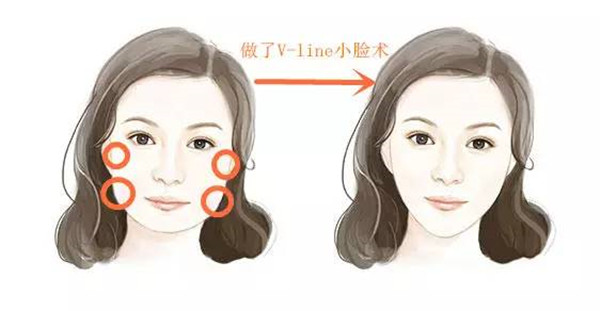
- Smaller and more V-shaped facial structure
- More prominent facial contours
- A more “camera-ready” appearance
The overall aesthetic often leans toward a more stylized and polished look, sometimes associated with trendy or celebrity-inspired facial proportions.
China: Focus on Natural Harmony
In recent years, China’s aesthetic medicine industry has matured significantly, with a growing emphasis on natural-looking results.
Chinese surgeons often prioritize:
- Facial harmony and balance
- Preservation of individual facial identity
- Subtle improvements rather than dramatic changes
- Avoiding overly uniform or “standardized” looks
The goal is usually to enhance natural beauty while maintaining the patient’s original character and expression.
② Surgical Techniques: Precision vs Diversity
Korea: Highly Standardized and Precise Techniques
Korean contouring surgery is known for its precision-oriented approach. Common features include:
- 3D preoperative simulation planning
- Advanced surgical tools for bone reshaping
- Millimeter-level attention to symmetry
- Highly standardized surgical protocols
Many Korean clinics also offer a streamlined “one-stop service,” including consultation, surgery, and postoperative care under one system.
China: Diverse and Adaptive Techniques
China’s facial contouring field has evolved rapidly by combining imported technologies with localized innovation.
Key characteristics include:
- Adoption of international surgical equipment
- Techniques adapted to Asian bone structure
- Multiple surgical options tailored to different needs
- Increasing focus on customized treatment plans
In addition, many clinics are improving patient experience by enhancing privacy, comfort, and consultation quality.
③ Price Differences: Higher in Korea, More Cost-Effective in China
Korea: Higher Overall Cost
Facial contouring surgery in Korea generally includes:
- Surgical fees
- Hospital or accommodation costs
- Translation or coordination services (for international patients)
- Postoperative care expenses
As a result, the overall cost tends to be higher. However, due to strong competition, some clinics may offer package deals or promotional pricing.
China: More Competitive Pricing
In comparison, China offers a wider range of pricing options:
- More transparent price structures
- Greater number of clinics and surgeons
- Strong market competition
- Frequent promotional campaigns
This makes Chinese clinics more cost-effective for many patients, especially those seeking local treatment.
④ Postoperative Care: Korea Is More Structured, China Is Improving
Korea: Strong Long-Term Follow-Up System
Korean clinics are generally known for well-organized postoperative care, including:
- Regular follow-up appointments
- Structured recovery monitoring
- Detailed aftercare instructions
- Dedicated postoperative management systems
Some clinics even operate specialized recovery centers for patients.
China: Rapidly Improving Aftercare Services
China’s aesthetic industry has been upgrading its postoperative care systems in recent years.
Improvements include:
- More standardized follow-up processes
- Better aftercare instructions in premium clinics
- Dedicated recovery support in high-end hospitals
While the system is still evolving, the progress has been significant.
2. Are Korean and Chinese Contouring Surgeries the Same?
They are not exactly the same.
The main differences lie in aesthetic philosophy and service structure:
Korea tends to focus on:
- Highly refined facial changes
- More dramatic contour enhancement
- Standardized high-end surgical systems
- Premium service experience
China tends to focus on:
- Natural facial balance
- Personalized surgical planning
- Diverse treatment options
- Strong cost-performance ratio
Both systems can achieve facial contour improvement, but the style and priorities differ.
3. How Should You Choose? It Depends on Your Goals
There is no absolute “better” option. The right choice depends on your expectations, budget, and desired outcome.
You may consider Korea if you want:
- More noticeable facial transformation
- A sharper, more stylized facial contour
- A highly structured medical service system
You may prefer China if you want:
- More natural-looking results
- Better affordability
- Easier access to follow-up care
4. Final Thoughts
In conclusion, Korean and Chinese facial contouring surgeries each have their own strengths.
Korea emphasizes precision, refinement, and structured medical systems, but usually comes with higher costs.
China focuses more on natural aesthetics, diverse surgical options, and cost efficiency, with rapidly improving service quality.
Ultimately, the best choice is not about which country is “better,” but which approach fits your facial structure, expectations, and lifestyle.
Before making a decision, it is always recommended to consult with qualified professionals, understand your anatomical conditions, and clarify your aesthetic goals.