How Much Does a Facelift Cost in Korea? A Complete Guide to Prices, Procedures, and Recovery
South Korea has become one of the world’s leading destinations for cosmetic surgery, attracting patients from Asia, North America, Europe, and the Middle East. Among the most popular anti-aging procedures, facelift surgery continues to receive significant attention. As a result, one of the most common questions asked by international patients is, “How much does a facelift cost in Korea?”
The answer depends on several factors, including the type of facelift, the surgeon’s experience, the complexity of the procedure, and whether additional treatments are performed at the same time. While price is certainly important, patients should also consider surgical expertise, safety standards, and postoperative care when choosing a clinic.
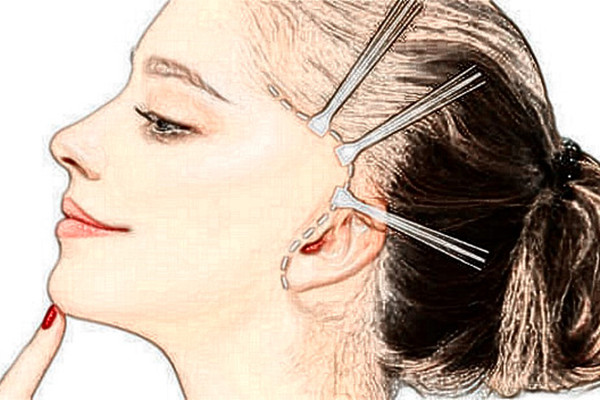
How Much Does a Facelift Cost in Korea?
There is no single price for facelift surgery because every patient’s facial aging pattern is unique. Korean plastic surgeons typically recommend a personalized surgical plan after evaluating skin elasticity, facial volume, muscle laxity, and overall facial balance.
In general, facelift procedures in Korea may fall within the following price ranges:
- Mini Facelift: Approximately KRW 3 million to KRW 6 million
- Mid and Lower Facelift: Approximately KRW 5 million to KRW 9 million
- Full Facelift: Approximately KRW 8 million to KRW 15 million or more
These estimates are intended as general references. Actual costs may vary depending on the hospital, surgeon, surgical technique, anesthesia, and each patient’s individual treatment plan.
Patients who choose to combine facelift surgery with neck lift, fat grafting, eyelid surgery, brow lift, or skin rejuvenation treatments should also expect a higher overall cost.
Factors That Affect the Price of a Korean Facelift
Several elements influence the total price of facelift surgery in Korea.
One of the biggest factors is the surgeon’s experience. Facelift surgery requires an in-depth understanding of facial anatomy, including the skin, fat, muscles, nerves, and the superficial musculoaponeurotic system (SMAS). Surgeons with extensive experience performing facial rejuvenation procedures often charge higher surgical fees.
The surgical technique also plays an important role. Some patients may benefit from a mini facelift, while others require a traditional SMAS facelift or a deep plane facelift to address more advanced facial aging. Since these procedures differ in complexity, their costs naturally vary.
The treatment area is another consideration. A patient seeking improvement only along the jawline generally requires a less extensive procedure than someone undergoing a full facelift with neck rejuvenation.
Hospital facilities, operating room equipment, anesthesia services, postoperative monitoring, and follow-up care can also influence the final treatment cost.
International patients should remember to include additional travel expenses such as airfare, accommodation, transportation, interpreter services if needed, meals, medications, and follow-up appointments when planning their total budget.
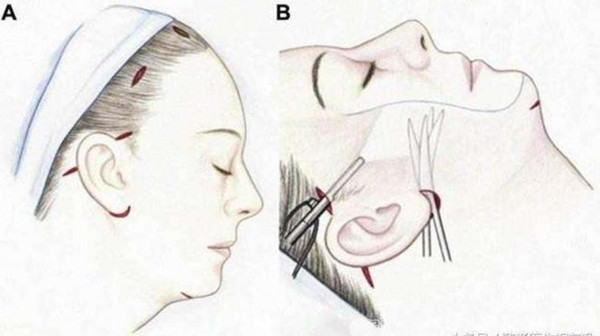
Who Is a Good Candidate for a Facelift?
Facelift surgery is designed to address visible signs of facial aging rather than simply tighten loose skin.
Good candidates often experience:
- Sagging cheeks
- Deep nasolabial folds
- Marionette lines
- Loss of jawline definition
- Jowls
- Loose skin around the neck
- Facial volume changes associated with aging
Many patients in their forties begin considering facial rejuvenation procedures, although the ideal timing depends more on the degree of skin laxity than on age alone.
Individuals in their fifties and sixties frequently seek more comprehensive facelift procedures because aging affects both the skin and the deeper supporting tissues.
A consultation with a qualified plastic surgeon is essential to determine whether facelift surgery is appropriate and which technique is most suitable for each individual’s facial structure and cosmetic goals.
Recovery After Facelift Surgery
Recovery varies according to the extent of surgery and individual healing ability.
During the first week, swelling and bruising are common and generally represent a normal part of the healing process. Patients are usually advised to rest, avoid strenuous activities, and carefully follow postoperative instructions.
Many patients are able to resume light daily activities within one to two weeks, although complete recovery continues over a longer period.
Most swelling gradually decreases over the following one to three months, allowing facial contours to become more refined and natural.
Final results are often evaluated between three and six months after surgery, once the tissues have fully settled.
Attending scheduled follow-up visits, protecting the healing incisions, maintaining a healthy lifestyle, and avoiding smoking can all contribute to a smoother recovery and long-lasting results.
Is a Facelift in Korea Worth Considering?
South Korea has earned an international reputation for advanced facial rejuvenation techniques, experienced plastic surgeons, and personalized treatment planning. Many hospitals offer customized facelift procedures tailored to each patient’s facial anatomy rather than using a one-size-fits-all approach.
However, selecting a clinic should involve more than comparing prices. Patients are encouraged to review the surgeon’s qualifications, examine before-and-after case examples, discuss realistic expectations during consultation, and understand the recovery process before making a decision.
Ultimately, a successful facelift depends on careful surgical planning, appropriate technique, realistic expectations, and comprehensive postoperative care. By choosing an experienced medical team and following professional guidance throughout recovery, patients can pursue facial rejuvenation with greater confidence and a clearer understanding of the expected outcome.