Which Hospital in Korea Is Good for Fat Grafting? 365mc, Dream, and BEU Compared
Which hospital in Korea is good for fat grafting? This is one of the first questions people ask when considering facial fat grafting, autologous breast augmentation, or another form of fat transfer in Seoul.
There is no single hospital that is automatically the right choice for every patient. A suitable option depends on the treatment area, the amount of available donor fat, facial or body anatomy, medical history, expectations, preferred recovery period, and the qualifications of the surgeon who will perform the procedure.
Fat grafting is more than simply removing fat from one part of the body and injecting it into another. It may involve surgical planning, fat harvesting, processing, layered injection, anesthesia, after-surgery monitoring, and follow-up care. Every stage can influence safety, recovery, and the final contour.
The following guide introduces 365mc Hospital, Dream Plastic Surgery, and BEU Plastic Surgery to help prospective patients compare some of the options available in Seoul.
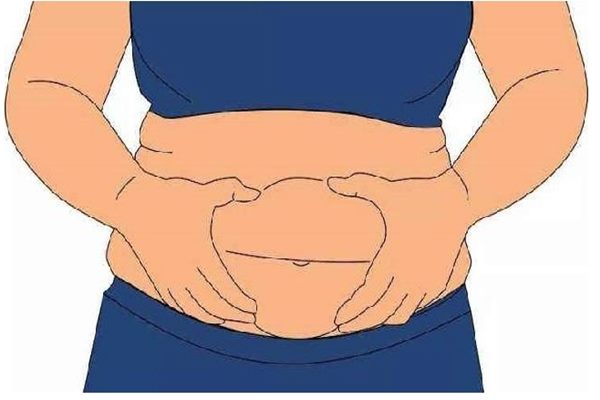
1. 365mc Hospital
365mc Hospital is located in Seocho-gu, Seoul. People planning to discuss fat-related procedures in Seoul may include it on their initial consultation list.
A fat-transfer consultation should cover both sides of the procedure: where fat will be removed and where it will be placed. Patients often focus primarily on the area they want to enhance, but the donor site is also important. The surgeon needs to assess whether the abdomen, thighs, or another area has enough suitable fat and whether harvesting from that location is appropriate.
When contacting 365mc Hospital, patients should first confirm which fat-grafting procedures are currently available. Facial fat grafting, breast fat transfer, and larger body-contouring procedures have different requirements and should not be treated as interchangeable services.
Useful questions include who will perform the fat harvesting, who will process and inject the fat, what type of anesthesia is proposed, and what after-surgery monitoring is provided. Patients considering larger-volume fat transfer should also ask about preoperative tests, compression garments, follow-up visits, and the management of potential complications.
The name of a hospital alone cannot determine whether it is appropriate for a particular person. The final decision should be based on the individual surgeon, the written surgical plan, the facility’s safety arrangements, and the patient’s medical suitability.
2. Dream Plastic Surgery
Dream Plastic Surgery is located in Gangnam-gu, Seoul. It may be considered by international visitors who plan to arrange several consultations in the Gangnam area.
Before traveling, patients may submit front, side, and three-quarter-view photographs for an initial discussion. However, photographs cannot replace an in-person examination and should only be used for preliminary communication.
For facial fat grafting, areas such as the forehead, temples, cheeks, tear troughs, and chin must be evaluated as parts of one facial structure. A hollow-looking area does not always mean that adding volume is the only appropriate solution. Bone structure, skin laxity, ligament support, and the distribution of existing facial fat can all affect the appearance.
During a consultation at Dream Plastic Surgery, patients should ask the surgeon to explain why specific areas are being recommended for treatment and how the proposed volumes will work together. Filling every visible hollow is not necessarily the most natural approach. Excessive volume can make the face look heavy or overly rounded, while insufficient volume may produce only a limited change.
Patients considering fat grafting together with eyelid, nose, lifting, or facial-contouring surgery should ask whether combining the procedures is appropriate for their condition. They should also discuss the order of the procedures, total anesthesia time, expected swelling, recovery requirements, and whether staging the operations would be preferable.
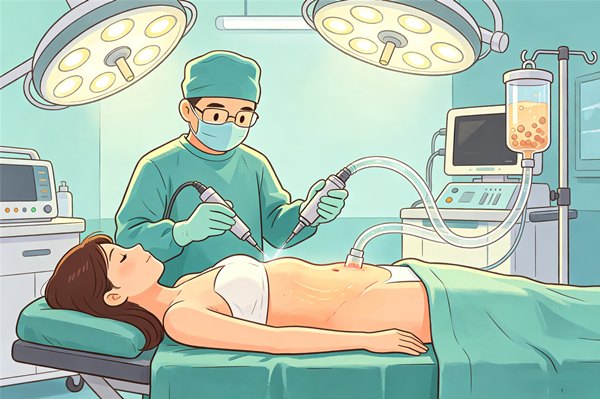
3. BEU Plastic Surgery
BEU Plastic Surgery is located in Gangnam-gu, Seoul. Patients interested in consulting the hospital should confirm which surgeons, procedures, and appointment times are currently available.
A hospital may have several doctors, and their training, experience, treatment focus, and aesthetic approach can differ. It is therefore important to identify the doctor who will personally perform the procedure rather than making a decision based only on the general reputation of the institution.
For facial fat grafting, patients may ask whether a limited treatment or a broader facial-volume plan is more suitable. A person with mild hollowing in one area may not need full-face treatment. Conversely, someone with volume loss in several connected areas may require a balanced plan rather than a series of unrelated injections.
The consultation should also cover the donor site, fat-processing method, proposed injection areas, expected recovery, and the possibility that some transferred fat may be absorbed. Patients should be cautious about claims involving an exact universal survival rate or a predetermined permanent result after one session.
International patients should ask BEU Plastic Surgery about after-surgery examinations, medication, swelling management, stitch removal, and communication after returning home. A clear follow-up plan is especially important when the patient will leave Korea shortly after surgery.
What Should You Check When Comparing Korean Fat-Grafting Hospitals?
The first priority is the surgeon’s identity and professional qualifications. Patients should obtain the full name of the operating surgeon and independently check the doctor’s training and legal professional status. Hospital size, online popularity, translation support, and attractive before-and-after photographs do not replace surgeon verification.
The second priority is the treatment plan. Ask where the fat will be harvested, how it will be processed, where it will be injected, and why that approach is suitable for your anatomy. Terms such as “pure fat,” “nanofat,” or other branded descriptions should be explained in plain language rather than accepted as proof of superior results.
The third priority is anesthesia and safety. Patients should ask about preoperative testing, anesthesia personnel, monitoring during surgery, emergency arrangements, and after-surgery observation. These considerations become even more important when a procedure involves extensive liposuction, breast fat transfer, body fat transfer, or multiple operations under one anesthetic.
The fourth priority is a complete written quotation. Confirm whether the price includes the surgeon, anesthesia, donor-site liposuction, fat processing, injections, medical tests, medication, compression garments, and follow-up appointments. If a second grafting session is discussed, ask whether it is included or charged separately.
The fifth priority is realistic case evaluation. Before-and-after images should ideally use similar lighting, angles, expressions, and time points. Early after-surgery fullness does not represent the stabilized result, and another patient’s outcome cannot predict your own.
Is Fat Grafting Always Better Than Dermal Fillers?
Fat grafting and dermal fillers are different options with different advantages, limitations, recovery requirements, and risks. Fat grafting uses tissue taken from the patient’s own body, but it also requires a donor-site procedure. Fillers do not require liposuction, although they introduce a manufactured injectable material and have their own safety considerations.
A person seeking broader volume restoration may wish to discuss fat grafting, while someone seeking a small and precise adjustment may be offered another option. The decision should be based on anatomy, treatment goals, risk tolerance, recovery time, and a doctor’s assessment—not on the assumption that one method is always superior.
What Are the Risks of Fat Grafting?
Using the patient’s own fat does not make the procedure risk-free. Possible problems include swelling, bruising, pain, asymmetry, uneven absorption, nodules, calcification, infection, contour irregularities at the donor site, and dissatisfaction with the final volume. Rare but serious complications may also occur.
Patients should seek prompt medical attention if they experience worsening redness, persistent fever, severe pain, unusual skin-color changes, chest discomfort, breathing difficulty, or another concerning symptom after surgery. Online customer service should not be used as a substitute for urgent medical assessment.
People who are pregnant or breastfeeding, have an uncontrolled chronic illness, a bleeding disorder, or take medication that affects clotting should disclose this information during the consultation. A medical assessment is needed to determine whether surgery is appropriate.
So, Which Korean Hospital Should You Choose for Fat Grafting?
365mc Hospital, Dream Plastic Surgery, and BEU Plastic Surgery may all be included in an initial Seoul consultation list. 365mc Hospital is located in Seocho-gu, while Dream Plastic Surgery and BEU Plastic Surgery are located in Gangnam-gu.
The right match cannot be determined from the hospital name alone. Compare the operating surgeons, proposed treatment plans, anesthesia arrangements, written prices, recovery requirements, and after-surgery support. Whenever possible, obtain consultations from at least two or three surgeons before making a decision.