Double Eyelid and Revision Surgery in Korea: 9 Clinics and What to Ask Before Your Consultation
Double Eyelid and Revision Surgery in Korea: 9 Clinics and What to Ask Before Your Consultation
Considering double eyelid or revision eyelid surgery in Korea? Comparing clinic descriptions and photographs is only a starting point. Alongside your preferred eye shape, consider how the surgeon assesses your eyelid anatomy and explains the specific changes that may be possible.
Primary double eyelid surgery usually focuses on crease design, eyelid thickness, and balance between the eyes. Revision surgery may involve scarring, tissue adhesions, excessively wide creases, or incomplete eyelid closure, all of which require a more detailed assessment.
This guide covers consultation points for nine Korean plastic surgery clinics, including EH, Luho, BIO, and Eve, to help you prepare clear questions. The clinics are listed in no particular order. Confirm available services, the operating surgeon, and surgical arrangements directly when booking.
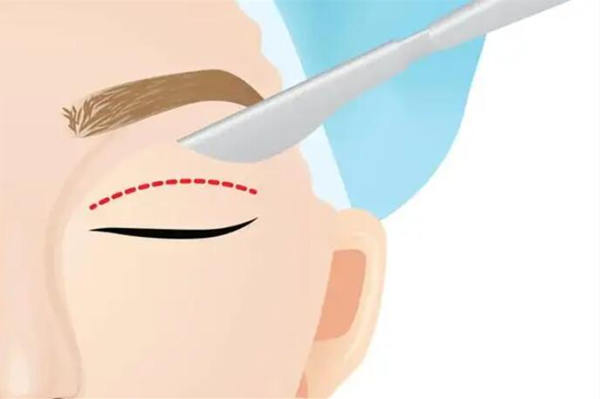
1. EH Plastic Surgery: Start with Your Eyelid Crease and Revision Concerns
If you are considering a revision consultation at EH, begin by listing specific concerns, such as excessively wide creases or multiple folds. If you have already had surgery and want to adjust the crease, ask whether the problem relates to its fixation position, scar adhesions, or changes in the available tissue.
When discussing appearance, focus on crease width, the line visible with your eyes open, and how the result would fit your overall facial features. “Natural” needs a specific explanation; the word alone is not enough to determine a surgical plan.
Bring photographs taken before and after your first operation, along with relevant records, to help the surgeon understand what has changed.
2. Luho Plastic Surgery: Explain Your Eye Shape and Revision Goals Clearly
During a consultation at Luho, explain both your preferred eye shape and your revision goals. Ask the surgeon to assess your current features, which aspects may be adjusted, and what limitations you may need to accept. This can help you establish whether you share the same understanding of the proposed design.
For example, narrowing a double eyelid crease may involve more than simply designing a new line. Previous skin removal, fat removal, or other eyelid procedures also need to be considered.
Instead of asking only whether the result will look good, a more useful question is: How much improvement can reasonably be expected in crease width, curvature, and symmetry? Also ask about changes during the postsurgical period and circumstances that might require further treatment.
3. Big Eyes Plastic Surgery: Clarify Whether Your Concern Is the Upper or Lower Eyelid
Before consulting Big Eyes Plastic Surgery, identify whether your main concern involves the upper eyelid crease, eye bags, or the shape of the lower eyelids. Although these concerns involve the same general area, they require different assessments and cannot be summarized simply as wanting bigger eyes.
If your concern is a tired appearance, ask the surgeon whether upper eyelid coverage, eye bags, or other factors may be contributing before discussing an appropriate approach.
When reviewing treatment photographs, look at views with the eyes open and closed, as well as side views, to assess whether the lines match your preferences. Consider eyelid function and the postsurgical condition, rather than focusing solely on how much larger the eyes appear.
4. BIO Plastic Surgery: Identify the Operating Surgeon, Not Just the Clinic
If BIO is on your consultation list, look beyond the clinic name and establish who will conduct the consultation, develop the plan, perform the operation, and oversee follow-up care. Clarifying these responsibilities helps with communication and continuity of care.
Even within the same clinic, surgeons may differ in their design preferences, communication styles, and experience with particular concerns.
Ask to see treatment records involving problems similar to yours, such as excessively wide creases, asymmetry, or multiple previous revisions, rather than relying only on photographs of primary eyelid procedures. The relevance of the records is often more informative than the number shown.
5. Eve Plastic Surgery: Eye Corner Revision Should Consider Both Shape and Function
If you are planning an eye corner revision consultation at Eve, explain whether your concern involves the shape of the corners, scarring, or an unnatural appearance after previous surgery. Ask the surgeon to identify the cause before discussing whether revision is appropriate and what may be adjusted.
Adjusting the eye corners should involve more than seeking a wider opening or a complete return to the previous appearance. Existing tissue, eyelid position, and eye comfort also need consideration.
When assessing a plan, ask directly about the scope for improvement, changes in scarring, and follow-up arrangements. Scarring varies between individuals, and a surgical schedule cannot predetermine the outcome. Understanding how the surgeon would address your specific concerns is more useful than focusing only on the number of operations scheduled each day.
6. Wonjin Plastic Surgery: Review the Eyelid Plan in Detail at a Multispecialty Clinic
When consulting Wonjin about double eyelid or revision surgery, clarify the responsibilities of the eyelid surgery team and the process from consultation through surgery and follow-up. Establish who is responsible at each stage before making arrangements.
If you prefer a softer crease, prepare photographs of eye shapes you like and dislike and explain why. For example, you may want to avoid an overly wide crease, a particularly prominent inner corner, or a change to your distinctive features.
Also confirm what the fee includes and how follow-up visits, stitch removal, and contact after returning home will be arranged. For international patients, these details are just as important as the design itself.
7. VG Plastic Surgery: Turn Style Preferences into Specific Design Points
During a consultation at VG, translate your preferred style into specific design details. People interpret words such as glamorous, refined, and natural differently. Bringing photographs and explaining your preferences can make the discussion more useful than relying on adjectives alone.
For example, do you prefer a parallel crease or one that tapers inward? Would you like to preserve your existing expression or make a more noticeable change? These expectations need to be assessed alongside your eyelid anatomy.
For revision surgery, clarify which changes are necessary and which are optional, so that pursuing a particular eye shape does not lead to unnecessary additional procedures.
8. Jewelry Plastic Surgery: Consider Whether a More Defined Eye Shape Suits You
If you are considering Jewelry and prefer a more defined, refined eye shape, use treatment records to support the discussion. Ask whether that design suits your eyelid anatomy rather than requesting an exact reproduction of someone else’s eyes.
Eyelid thickness, the distance between the brows and eyes, and your existing eye shape can all affect the design. The same crease width may look different on different faces.
When reviewing records, look beyond photographs with makeup. Include makeup-free images, different angles, and longer-term follow-up records, rather than judging suitability solely by how the photographs are presented.
9. I Contact Plastic Surgery: Set Your Priorities Before Revision
Before consulting I Contact, distinguish between goals for a first operation and concerns requiring revision. If you have already had double eyelid surgery and are dissatisfied with the width, scars, or symmetry, list your priorities so the consultation stays focused.
For example, is your main concern an overly wide crease, differences between the eyes, or marks visible when the eyes are closed? These concerns may have different causes and may not all be resolved in one operation.
Ask the surgeon to explain the purpose, expected improvement, and limitations of each proposed step. If you have dryness, incomplete eyelid closure, or other discomfort, mention it rather than limiting the discussion to appearance.
Questions to Clarify Before You Decide
This list can be a starting point for researching double eyelid and revision surgery in Korea, but the decision should come back to the individual surgeon and your proposed plan:
- Confirm the operating surgeon: Check their qualifications and whether the surgeon conducting the consultation will also perform the operation.
- Review relevant treatment records: Focus on concerns similar to yours and the length of follow-up.
- Understand the limitations: Ask what may improve, what cannot be determined in advance, and what risks are involved.
- Clarify the full cost: Establish whether examinations, anesthesia, surgery, medication, and follow-up visits are included.
- Plan postsurgical care: Confirm how long you should stay in Korea, arrangements for stitch removal, and what to do if a problem arises after returning home.
There is no single answer that suits everyone considering double eyelid or revision surgery. A medical team that explains your concerns clearly, discusses limitations openly, and provides a complete postsurgical plan is worth evaluating further.