Peninsula Ultrasound vs Thermage: Which Treatment Fits Your Skin and Goals?
Neither Peninsula ultrasound nor Thermage is automatically the better treatment. Both may help selected skin-tightening concerns, but the useful comparison starts with what is changing in your face: loose skin, a softer jawline, fine wrinkles, or loss of fullness. A treatment that addresses one concern may leave another largely unchanged.
If you have been comparing before-and-after photos and still feel unsure, start with a more specific question: “What is causing the change I can see, and which part could this treatment realistically improve?” That question makes a consultation far more useful than choosing the device with the highest price or the boldest lifting claim.
First, check which ultrasound treatment you are comparing
In Chinese-language advertising, “Chaoshengpao” commonly refers to Peninsula’s ultrasound treatment. This article uses Peninsula ultrasound for that product family. It should not be treated as another name for Ultherapy or every ultrasound device offered in Korea.
Peninsula’s system delivers focused ultrasound using different treatment heads for selected depths and areas. The practical issue is whether the proposed head and treatment plan suit the tissue being treated. More depth does not, by itself, establish a better result.
Ask a clinic for the manufacturer and model, rather than accepting “ultrasound lifting” as a complete description. Different systems can have different operating methods and approved uses. Evidence, treatment schedules, and recovery expectations should match the actual device being proposed.
Where Thermage fits into the comparison
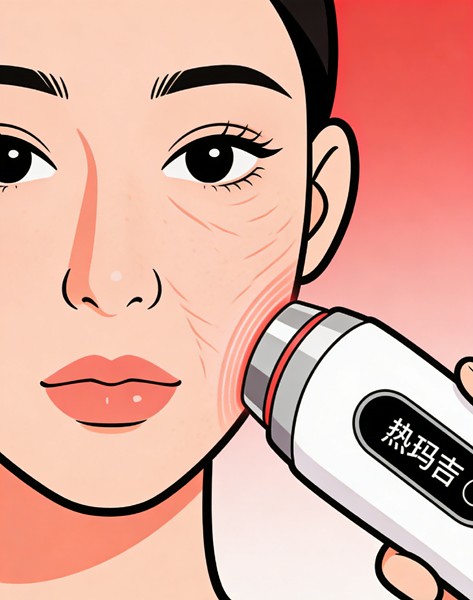
Thermage uses monopolar radiofrequency to heat tissue rather than focused ultrasound. Its treatment planning concerns include skin laxity and wrinkles. Face and eyelid treatments also require appropriate tips and protection; a face treatment is not automatically an eyelid treatment.
You may hear the shorthand “ultrasound lifts, Thermage tightens.” It is easy to remember, but too simple to select a procedure. The goals overlap, and the technology alone cannot tell you how much visible change you will get.
For a useful comparison, request an explanation of the planned treatment area, the concern it addresses, and the limitations. A clear answer should relate to your face. “This is our popular anti-aging package” does not explain why that package fits your anatomy or priorities.
Match the discussion to the change you want to see
A softer jawline or sagging near the mouth. Ask whether the visible change is mainly skin laxity, tissue fullness, or underlying facial structure. Ultrasound and radiofrequency options can then be discussed against that assessment. Neither device name guarantees a sharply defined jawline, particularly when loose skin is only one part of the concern.
Fine wrinkles and a less firm skin surface. Thermage may be worth discussing, but the clinician still needs to distinguish laxity from dryness or expression-related lines. Describe when the lines bother you: at rest, when smiling, or mainly under makeup. That detail helps keep the consultation focused.
Lean cheeks or existing hollows. Tightening is not volume replacement. Do not assume a thin face automatically makes Thermage suitable, or that every area should receive ultrasound. Ask the clinician to explain which areas would be treated conservatively or avoided, and how existing hollowing affects the plan.
Marked sagging with expectations of a surgical lift. Discuss the likely ceiling of a non-surgical result before paying. Skin-tightening treatments generally offer more modest changes than surgery. A small improvement may still be worthwhile, but only if it matches what you want.
The decision should protect the features you want to keep as well as address the areas you want to change. Bringing both priorities to the appointment helps prevent a vague “full-face tightening” request from becoming a plan you do not fully understand.
How long should you wait to judge the result?
Thermage describes gradual improvement over approximately two to six months. An immediate tight feeling is not a reliable measure of the final outcome. For Peninsula ultrasound, ask for a review schedule appropriate to the exact device and treatment; another ultrasound brand’s timeline should not simply be transferred to it.
Agree on what you will evaluate before treatment. For example, a jawline concern should be reviewed in consistent side-profile photographs, while a skin-texture concern needs suitable close-up images. Keep lighting, head position, and expression consistent, and note meaningful weight changes.
Results do not come with a fixed expiry date. Ask when the clinician would reassess you and what would justify another session. An early lack of dramatic change is not a reason to add another energy treatment on your own. A combined plan needs a clinical rationale and a review of recent treatments, rather than being an automatic upgrade.
A useful written quote should answer:
- Does “full face” include the area under the chin, the neck, or neither?
- Is eye treatment separate, and which tip would be used?
- Which ultrasound modes or radiofrequency pulse count are included?
- Are the clinician’s fee, aftercare, and review included?
- What is the final payable total in the clinic’s currency?
A small-area trial and a full-face plan should not be compared as if they were the same purchase. Likewise, a higher pulse count alone does not establish that the treatment is more suitable. Ask what the additional treatment is intended to achieve.
Plan the appointment and recovery around real expectations
The appointment should allow time for medical history, examination, photographs, treatment planning, device and consumable checks, and aftercare instructions. Provide the dates and locations of previous fillers, threads, and energy treatments. Brand training or device authentication should complement, not replace, verification of the clinic’s and clinician’s credentials.
Peninsula notes that tenderness or aching may last from several days to two weeks. Its aftercare guidance includes gentle skincare, moisturization, sun protection, and avoiding high-heat activities such as saunas for one week.
Thermage can cause pain, redness, and swelling. Less common complications include burns, blisters, altered sensation, and surface irregularities. Worsening pain, blistering, persistent numbness, or facial movement changes warrant prompt clinical assessment.
Do not schedule an important event on the assumption that either treatment leaves no visible reaction. If travelling, ask who will review any concern after you return home and how to contact the treating team. The ability to resume everyday activities is a different question from readiness for a close-up photo shoot or wedding.
Pregnancy, active infection, or broken skin require postponement or clinical review. Disclose breastfeeding, medical conditions, implants, and prior fillers. Thermage must not be used in patients with pacemakers or other implanted electrical devices. The exact device instructions determine contraindications and precautions.
Start with a focused consultation, then choose a treatment
You do not need to settle the ultrasound-versus-Thermage question before asking for help. Prepare three details: your main area of concern, your total budget, and your recent aesthetic treatment history. A description such as “I want a clearer jawline, but my cheeks are already hollow” is more useful than simply requesting a younger face.
Gangnam Prime’s English consultation form lets you share your interests, budget, and travel timing to discuss clinic and appointment options. The treating clinician will need to determine suitability and the actual treatment plan. An advisory conversation can help organize the next step without turning an online description into a diagnosis.