Is Antian Clinic in Korea a good choice for facial wrinkle treatment and anti-aging care?
Is Antian Clinic in Korea a good choice for facial wrinkle treatment and anti-aging care?
For many overseas patients searching for Korean anti-aging treatments, Antian Clinic in Cheongdam, Gangnam often appears as a clinic to consider. The clinic is located at 3F, W Tower, 72-7 Cheongdam-dong, Gangnam-gu, Seoul, an area known for aesthetic dermatology, lifting treatments, injectables, and skin management programs. If your goal is to improve early facial sagging, fine lines, dull skin, or age-related facial tiredness without surgery, Antian Clinic may be worth adding to your consultation list.
That said, wrinkle treatment is not a one-size-fits-all decision. A patient with forehead lines, a patient with lower-face sagging, and a patient with volume loss around the temples may all say they 鈥渓ook older,鈥?but they usually need different treatment plans. The key question is not whether a clinic is popular, but whether the consultation can clearly explain your aging pattern, realistic treatment options, recovery time, and cost range.
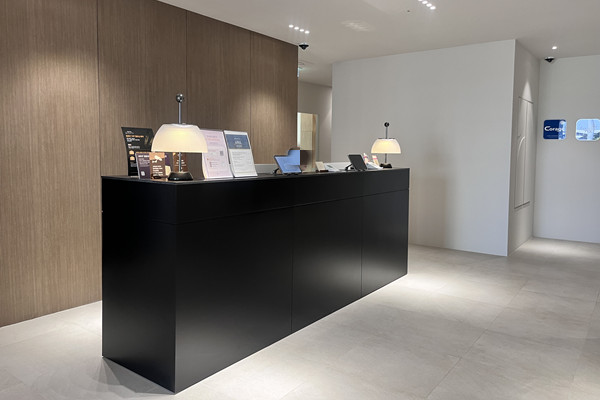
What kind of clinic is Antian Clinic?
Antian Clinic is positioned around private anti-aging care, lifting, fillers, wrinkle-relaxing injections, and skin rejuvenation treatments. Its public information and treatment keywords commonly include Ultherapy, Thermage, Sofwave, lifting, filler, wrinkle-relaxing injection care, and anti-aging care. This makes it more relevant for patients looking for non-surgical facial rejuvenation rather than major facial surgery.
The Cheongdam location is practical for visitors who plan to stay in Gangnam, Apgujeong, or nearby Seoul beauty districts. For international patients, location matters more than it may seem. You may need to return for a quick check, communicate with the clinic after treatment, or schedule your treatment around flights and accommodation. Choosing a clinic in a convenient district can make the whole process easier to manage.
Which facial aging concerns can be discussed during consultation?
Facial anti-aging treatment usually falls into several categories. Dynamic wrinkles, such as crow鈥檚 feet, frown lines, and forehead lines, are often related to facial muscle movement. These concerns are commonly discussed with wrinkle-relaxing injection treatments. Skin laxity, such as a softer jawline, mild cheek descent, or loose lower-face contour, may lead to a discussion about energy-based lifting treatments such as ultrasound or radiofrequency devices. Volume loss, such as hollow temples, tear trough shadows, or deeper folds, may be assessed for filler-based correction. Skin quality concerns, including dullness, dryness, enlarged pores, and fine texture lines, may require skin boosters, hydration facials, light-based care, or a combination plan.
This is why a careful consultation matters. If a clinic suggests the same treatment for every patient, the result may feel underwhelming or unnatural. A better approach is to identify which part of aging is caused by skin, muscle, fat volume, or facial structure. From there, the doctor can decide whether lifting, injection, skin care, or staged treatment makes more sense.
How does a facial anti-aging visit usually work?
A typical visit should begin with consultation and skin or facial assessment. You can expect the clinic to ask about your main concerns, previous aesthetic treatments, medical history, allergies, and schedule. If you have had fillers, threads, laser treatments, or surgery before, bring that information with you. It helps the doctor avoid overlapping treatments or treating the wrong layer.
After evaluation, the clinic may recommend one treatment or a combination plan. For example, a patient with mild lower-face sagging may be advised to consider an energy-based lifting treatment. A patient with strong expression lines may be guided toward wrinkle-relaxing injections. A patient who looks tired because of volume loss may need a discussion about filler placement. The most suitable plan is usually the one that matches the cause of the concern, not the one with the longest treatment list.
Before agreeing to treatment, ask about treatment area, device name, shot count or energy level if relevant, filler brand and volume if injectables are involved, expected swelling, follow-up schedule, and what results should not be expected. These questions make the consultation more transparent and reduce the chance of misunderstanding.
Estimated cost: what should you ask before booking?
Reference prices mentioned in existing materials include skin analysis at about 50-199 yuan, director consultation fee at about 120-300 yuan, Hydrafacial at about 3,480-5,000 yuan, lip filler at about 2,680-3,800 yuan, and eye Thermage 450 shots at about 10,500-15,000 yuan. These figures should be treated as a budget reference only. Actual pricing may change depending on exchange rate, campaign period, treatment area, product brand, amount used, and the final plan after consultation.
Instead of asking only 鈥淗ow much is it?鈥? ask what the price includes. Does it include consultation, numbing, aftercare, medication, or follow-up? Is a lifting treatment priced by face area, number of shots, or package? Is filler charged by syringe, volume, or treatment plan? If the first price you receive looks unusually low, confirm whether there are extra fees for anesthetic cream, aftercare, device tips, product upgrades, or additional treatment areas.
Recovery time and aftercare: what should patients expect?
Most non-surgical anti-aging treatments have shorter downtime than surgery, but 鈥渟hort downtime鈥?does not mean 鈥渘othing will happen.鈥?Energy-based lifting treatments may cause temporary redness, warmth, tenderness, or mild swelling. Injectables may cause needle marks, bruising, swelling, firmness, or short-term asymmetry. Skin rejuvenation treatments may make the skin feel sensitive for a few days, especially if you already have a damaged skin barrier.
If you are traveling to Korea, avoid scheduling treatment too close to an important photo shoot, wedding, business event, or return flight. A 1 to 2 week buffer is more comfortable for most patients, especially when fillers or eye-area treatments are involved. After treatment, ask for written aftercare instructions. Common instructions may include avoiding sauna, alcohol, heavy exercise, strong heat exposure, and aggressive facial massage for a short period.
Who may be a suitable candidate?
Antian Clinic may suit patients who want non-surgical improvement for early to moderate facial aging, including fine lines, mild laxity, facial tiredness, skin dullness, and localized volume concerns. It may also suit patients who prefer a staged, natural-looking approach rather than a dramatic one-time change.
It may not be the right option if you expect a non-surgical treatment to replace a facelift, remove deep skin folds completely, or create a dramatic structural change. Patients with severe allergies, active skin infection, pregnancy, breastfeeding, complex filler history, or recent surgery should discuss their situation carefully before treatment. Anti-aging care should be personalized, and the safest-looking plan is often the one that knows when not to treat.
How to compare Antian Clinic with other Seoul skin clinics
If you are visiting Seoul mainly for aesthetic dermatology, it is reasonable to compare two or three clinics before choosing a treatment. Do not compare only by package price. Compare the consultation depth, whether the doctor explains the reason for each treatment, whether the clinic can show the exact treatment area, and whether aftercare instructions are clear enough for someone who may leave Korea soon after treatment.
For lifting devices, ask whether the treatment is focused on the full face, lower face, jawline, eye area, or neck. For fillers, ask about product name, amount, injection layer, expected swelling, and how the clinic handles adjustment if the result feels uneven. For wrinkle-relaxing injections, ask how the clinic avoids a frozen or heavy expression. These details tell you more than general compliments about atmosphere or service.
There are also warning signs worth noticing. Be careful if a clinic promises the same result for every patient, pushes a large package before examining your face, refuses to explain product or device details, or says there will be no risk at all. Non-surgical treatments are usually more convenient than surgery, but they still involve medical judgment. A reliable clinic should be comfortable talking about both improvement and limitation.
For overseas patients, communication is another practical factor. Before booking, confirm whether English support is available, how to contact the clinic after leaving Korea, and what to do if swelling, bruising, or discomfort lasts longer than expected. A smooth experience is not only about the treatment day. It also includes clear preparation, realistic expectations, and follow-up guidance that you can understand after returning home.
How to prepare for your consultation
Bring clear photos of your face in natural lighting, and write down your main three concerns before the visit. Try not to begin with a fixed treatment request such as 鈥淚 want Thermage鈥?or 鈥淚 need filler.鈥?Instead, describe what bothers you: a blurred jawline, under-eye tiredness, forehead lines, cheek sagging, or uneven skin texture. This gives the doctor more room to recommend the right treatment order.
Useful questions include: What is the main cause of my aging concern? If I only choose one treatment, what should come first? What result is realistic for my face? How long will swelling last? When can I travel? What should I avoid after treatment? What would be unnecessary for me right now? These questions help you judge whether the clinic is giving a thoughtful plan rather than simply selling a package.
Overall, Antian Clinic in Korea can be considered for facial wrinkle care and anti-aging treatment if you are looking for non-surgical lifting, injectables, and skin rejuvenation in the Cheongdam area. The most important step is still a proper consultation. Ask about the treatment logic, cost details, recovery plan, and limitations before making a decision. Results vary by skin condition, age, anatomy, treatment type, and aftercare, so the final plan should be confirmed after an in-person medical assessment.