How Much Does Titanium Lifting Cost in Korea? 2026 Price Tables, Treatment Advantages, and Budget Guide
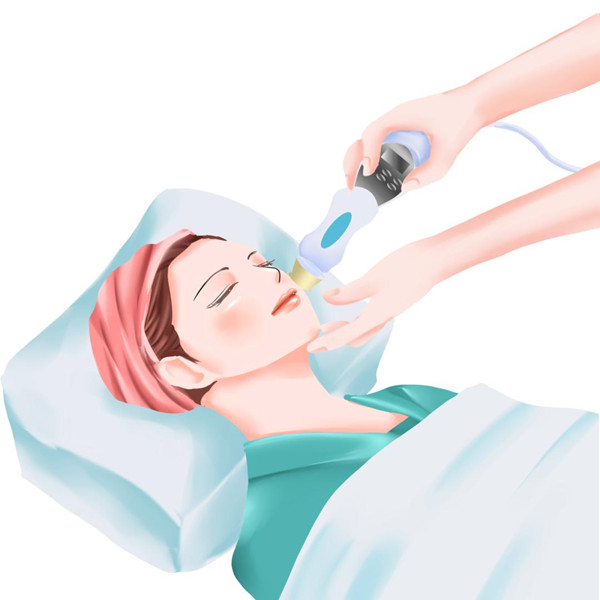
Titanium Lifting has become a common tightening treatment at dermatology and aesthetic clinics in Seoul. International visitors often compare it with ultrasound, radiofrequency, ONDA, and injectable treatments because it involves no surgical incision and can usually be fitted into a short travel schedule.
How much does Titanium Lifting cost in Korea? Based on Seoul treatment listings from September and October 2026, a single facial session commonly ranges from approximately KRW 390,000 to KRW 1,200,000. Small-area trial sessions may cost less, while higher-energy full-face treatment and combination packages can cost considerably more.
Pricing is usually connected to the amount of energy delivered, expressed in kilojoules or kJ. Common options include 40kJ, 60kJ, 80kJ, and 100kJ. The treated area, doctor involvement, clinic location, tax, and included aftercare can also change the final amount.
2026 Korea Titanium Lifting Price Table
The following ranges combine recent treatment information from clinics and booking services in Gangnam, Cheongdam, Hongdae, Myeong-dong, and other areas of Seoul. Some prices exclude 10% Korean value-added tax.
| Titanium Lifting option | Typical price range | Common treatment focus |
|---|---|---|
| 10kJ local trial | KRW 99,000–150,000 | Small jawline area or first-time trial |
| V-Line facial contour session | KRW 320,000–490,000 | Lower face and jawline |
| 40kJ facial Titanium | KRW 490,000–650,000 | Mild laxity and localized contouring |
| 60kJ facial Titanium | KRW 650,000–900,000 | Cheeks and jawline |
| 80kJ full-face Titanium | KRW 800,000–1,200,000 | Full-face tightening and contour care |
| 100kJ Titanium | KRW 799,000–1,090,000 | Higher-energy full-face plans |
| 200kJ body Titanium | Around KRW 2,400,000 | Arms, abdomen, or another body area |
| 300kJ body Titanium | Around KRW 3,300,000 | Larger body treatment area |
The lower end of a price range may be limited to a first visit, a particular time of day, a selected doctor, or a restricted facial area. A 100kJ listing can occasionally appear cheaper than an 80kJ listing because the offers come from different clinics and include different services.
Patients should therefore compare like with like. A 10kJ jawline trial should not be compared directly with an 80kJ full-face treatment.
How Much Do Combination Treatments Cost?
Titanium Lifting can be performed alone or combined with ONDA, ultrasound, radiofrequency, LDM, or other skin treatments. Combination plans are designed to address more than one tissue level or concern, but they also raise the budget.
| Combination treatment | Typical reference price | Main budget consideration |
|---|---|---|
| ONDA 40kJ + Titanium 40kJ | Around KRW 690,000 | Contour and localized fat management |
| ONDA 60kJ + Titanium 60kJ | KRW 990,000–1,190,000 | Lower-face combination plan |
| Titanium 80kJ + ONDA + LDM | Around KRW 1,490,000 | Tightening, contouring, and calming care |
| Ultrasound 300 shots + Titanium 60kJ | Around KRW 1,790,000 | Treatment at different tissue depths |
| RF 600 shots + ultrasound 300 shots + Titanium 60kJ | Around KRW 4,090,000 | High-budget multi-device plan |
A combination package is not automatically a better choice. If the main concern is mild skin laxity or a less defined jawline, a single Titanium session may be enough for an initial plan. Combination treatment may be discussed when fat distribution, deeper laxity, and skin-quality concerns are present together.
Why Is Titanium Lifting Priced by kJ?
A kilojoule represents the total amount of energy delivered. A larger treatment area and longer treatment time generally require more energy, which is why Korean clinics often separate 40kJ, 60kJ, 80kJ, and 100kJ packages.
The number alone does not describe the entire treatment. The same 80kJ may be concentrated on the lower face or distributed across the forehead, cheeks, and jawline. The balance between moving and stacking techniques can also vary.
Before paying, patients should confirm the treated area, actual delivered energy, operator, device type, and included services. Skin analysis, numbing, LDM, a calming mask, or aftercare may be included in one quotation and charged separately in another.
How Does Titanium Lifting Work?
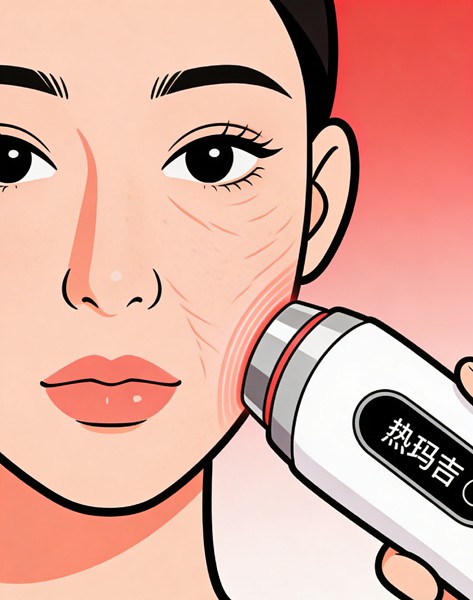
Titanium Lifting generally refers to treatment using the Soprano Titanium platform. It combines 755nm, 810nm, and 1064nm wavelengths. These wavelengths interact with tissue in different ways and are delivered together while the handpiece moves across or targets selected areas.
Clinics may describe two broad operating approaches. A moving mode gradually heats a larger area, while a stacking approach places repeated energy on selected points or retaining areas. The doctor may combine them according to facial anatomy and skin condition.
The treatment is often used along the jawline, lower cheeks, double-chin region, and full face. It is not a surgical lift, and the degree of change should be considered in relation to the patient’s starting condition.
What Are the Advantages of Titanium Lifting?
One advantage is that three wavelengths are delivered through one platform. This allows the treatment plan to be adjusted across facial areas rather than relying on a single wavelength.
Another advantage is the absence of a surgical incision. Many patients can return to ordinary activities relatively quickly. Temporary warmth, redness, swelling, or sensitivity can still occur, but a long wound-healing period is not usually expected.
The device also uses contact cooling to reduce heat at the skin surface. This can make the treatment more comfortable for patients who are concerned about pain from energy-based procedures.
Titanium treatment can also be focused on specific regions. A patient concerned mainly about the jawline may choose a smaller plan instead of paying for a full-face session. This flexibility can help control cost.
The treatment time is also relatively convenient for visitors. Consultation, photography, skin analysis, treatment, and cooling care can often be completed in one appointment, although the exact schedule varies by clinic.
How Should Patients Choose Between 40kJ, 60kJ, 80kJ, and 100kJ?
A 40kJ plan is commonly used for a localized region or relatively mild facial concerns. It may suit someone trying the treatment for the first time or focusing on the jawline. It is usually less expensive, but energy may be limited if spread across the entire face.
A 60kJ plan provides a middle-range option for the lower cheeks and jawline. It is also frequently seen in combination packages, including 60kJ Titanium with 60kJ ONDA.
An 80kJ plan is common for full-face treatment. Recent Seoul prices generally range from KRW 800,000 to KRW 1,200,000. It may be considered by patients who want several facial areas treated during one appointment.
A 100kJ plan offers more total energy, but higher energy is not automatically appropriate. People with thin facial tissue, limited fat, sensitive skin, or a smaller treatment area may require a more conservative distribution.
The doctor should select the energy by considering facial size, tissue thickness, skin response, and treatment goal rather than using one package for every patient.
Why Do Korean Titanium Lifting Prices Vary So Much?
Energy is one reason. A 10kJ trial and an 80kJ full-face session represent very different treatment amounts. A V-Line package may cover only the lower face and exclude the forehead or upper cheeks.
Clinic location also affects cost. Clinics in Cheongdam, Apgujeong, and central Gangnam may charge more than high-volume practices in Hongdae or Myeong-dong.
Promotional conditions create another difference. First-visit pricing, weekday appointments, selected doctors, and prepaid packages can reduce the listed price. Patients must confirm whether they meet the conditions.
Included services also matter. Some plans contain skin analysis, LDM, a mask, or soothing care. Others cover only the Titanium session. Packages involving ONDA, ultrasound, injectables, or radiofrequency cost more because several treatments are included.
Doctor involvement can affect the fee as well. Patients should ask whether the doctor designs the plan and performs the entire procedure or whether part of the appointment is handled by another member of the clinical team.
Is VAT Included in the Korean Price?
Many Korean aesthetic clinics display treatment prices before 10% value-added tax. An 80kJ plan listed at KRW 800,000 may therefore cost KRW 880,000 at payment.
International visitors planning treatment in 2026 should prepare their budget using the tax-inclusive total rather than assuming a cosmetic tax refund. The quotation should state clearly whether tax is included.
Patients should also ask about consultation fees, medical-director consultation fees, interpretation, reservation deposits, and cancellation rules. Some clinics waive a consultation fee when treatment is received on the same day, while others charge it separately.
Who May Be Suitable for Titanium Lifting?
Titanium Lifting may be considered by people with mild facial laxity, a jawline that has become less defined, or lower-cheek tissue they want to tighten without surgery.
It can also suit travelers who do not want a long recovery period. Because there is no incision, scheduling is often easier than with surgical lifting. Patients should still use gentle skincare, hydration, and sun protection afterward.
People with more advanced tissue descent may not receive the degree of change they expect from Titanium alone. A doctor may discuss ultrasound, radiofrequency, injections, or another approach after examining the face.
Titanium is also not intended to replace weight management or surgical correction. The treatment goal should be defined in terms of skin and contour rather than a dramatic change in facial structure.
Who Needs Additional Medical Assessment?
Treatment should generally be postponed when the skin has an active infection, significant irritation, open wounds, or another condition affecting the treatment area.
Patients who are pregnant, have implanted electronic medical devices, or recently received fillers, threads, lasers, or other energy treatments should disclose this information before scheduling.
People with little facial fat should be cautious about energy distribution. Excessive treatment of already thin areas may create an appearance that is leaner than desired.
Patients with pigmentation concerns or a tendency to develop post-inflammatory discoloration should receive a skin assessment. Because the platform includes a 755nm wavelength that interacts with pigment, parameters need to reflect the patient’s skin tone and sensitivity.
How Can Patients Save Money Without Choosing Only by Price?
Start by identifying the treatment area. Someone concerned only about the lower jawline may not need a full-face package. Comparing packages for the same region and energy gives a more useful price picture.
Ask the clinic to state the kJ, treatment area, doctor involvement, tax, and included aftercare in writing. A quotation that says only “one Titanium session” is not detailed enough.
For combination plans, request the separate price of each treatment and compare it with the package price. A package discount has little value if one of the included procedures is not appropriate.
Patients can also compare first-visit and regular prices. If repeat treatment may be considered later, the ongoing price is more relevant than a one-time introductory fee.
The lowest quote should not be the sole deciding factor. Device verification, facial assessment, energy distribution, and the person operating the handpiece can influence the treatment experience.
How Much Does Titanium Lifting Cost in Korea?
A practical 2026 Seoul budget is approximately KRW 99,000–150,000 for a small 10kJ trial, KRW 320,000–490,000 for a V-Line or limited-area session, KRW 490,000–650,000 for 40kJ, KRW 650,000–900,000 for 60kJ, KRW 800,000–1,200,000 for 80kJ, and KRW 799,000–1,090,000 for 100kJ.
Combination plans can range from around KRW 690,000 to more than KRW 4,000,000 depending on whether ONDA, ultrasound, radiofrequency, LDM, or other treatment is included.
For many patients seeking jawline definition or mild tightening, comparing 40kJ to 80kJ single-treatment plans is a practical starting point. Those with multiple concerns can then evaluate whether a combination adds meaningful value.
The appropriate choice is not simply the cheapest session or the highest kJ. Price, area, energy, doctor assessment, and included care should be reviewed together before booking.