Is STANTOP Urology in Korea Reliable? A Detailed Review of Doctors, Penile Implants, and Patient Care
STANTOP Urology, known in Chinese as 世檀塔男科医院 and in Korean as 스탠탑비뇨의학과의원, is a male urology clinic located in Gangnam, Seoul. Its services include erectile dysfunction assessment, penile prosthesis surgery, benign prostatic enlargement treatment, male intimate procedures, and general urologic evaluation.
Is STANTOP Urology in Korea reliable? The clinic focuses on male urology and has several doctors working across sexual-function care, prostate treatment, and male procedures. It can be considered by patients seeking treatment in South Korea, but suitability still depends on the diagnosis, treating doctor, proposed procedure, anesthesia, device or material, and long-term follow-up plan.

What Type of Clinic Is STANTOP Urology?
STANTOP is primarily focused on urology and male health rather than functioning as a general cosmetic center. Its treatment areas include erectile dysfunction, prostate enlargement, penile prosthesis implantation, male intimate surgery, and related urologic examinations.
A focused clinic can be useful for patients who want an assessment by urologists familiar with sexual function, urinary symptoms, penile surgery, and prostate conditions. Evaluation, medication, physical treatment, and surgery may be discussed within the same clinical setting.
However, a specialized service structure does not mean every treatment is suitable for every patient. Patients should identify the doctor who will personally evaluate and operate on them, then examine that doctor’s training and experience with the proposed procedure.
Which Conditions and Procedures Does STANTOP Address?
STANTOP’s services can be grouped broadly into sexual-function care, prostate care, and male intimate procedures.
Erectile dysfunction treatment may involve assessment of underlying health, medication, physical therapies, injection treatment, or penile prosthesis implantation. Surgery is not an initial choice for every man with erectile difficulty.
Prostate care may include assessment and treatment of benign prostatic enlargement. Symptoms such as weak urinary flow, urgency, frequent urination, and waking at night can relate to the prostate, but they may also have other causes. Testing is required before selecting a procedure.
Male intimate services may include circumcision, girth procedures, length-related surgery, glans procedures, and appearance-focused treatment. These procedures require careful discussion of realistic change, material behavior, sensation, scarring, and possible complications.
Is STANTOP Reliable for Penile Prosthesis Surgery?
A penile prosthesis is generally considered for erectile dysfunction that has not responded adequately to medication, injections, or other appropriate treatment. It is an implanted medical device, not a casual enhancement procedure.
STANTOP presents penile implant surgery as one of its main treatment areas. Options discussed may include malleable and inflatable devices. A malleable implant contains bendable rods that the patient positions manually. A three-piece inflatable implant usually contains cylinders in the penis, a pump in the scrotum, and a fluid reservoir placed inside the body.
The three-piece system can provide a more natural change between flaccid and erect states, but it has more components and requires the patient to learn how to operate it. A malleable device is mechanically simpler but keeps the penis relatively firm.
Patients should ask how many prosthesis operations the named surgeon performs, which devices are commonly used, how sizing is determined, and what infection-reduction steps are followed. They should also ask how the clinic manages mechanical failure, erosion, device displacement, or infection.
A penile implant changes erectile mechanics because natural erectile tissue is altered during placement. Removal without replacement may not restore previous function. This long-term implication should be understood before surgery.
What Should Patients Know About Implant Brands and Models?
Different manufacturers produce malleable and inflatable penile prostheses. The choice may depend on anatomy, hand function, prior pelvic surgery, scarring, available space for a reservoir, budget, and surgeon familiarity.
Patients should receive the exact manufacturer, model, and size information before or immediately after surgery. They should retain the device identification card and operative record for future care.
Cost should not be the only reason for choosing a device. One implant may be appropriate for one patient, while another person may benefit from a different mechanical design. The surgeon should explain why the selected device fits the patient’s anatomy and daily needs.
Patients should also clarify the manufacturer’s warranty and the distinction between replacement of a defective device and the medical costs of revision surgery. A device warranty may cover the product while leaving hospitalization, anesthesia, and surgeon fees outside its scope.
How Should the STANTOP Medical Team Be Evaluated?
STANTOP has several urologists whose education and experience may cover different areas of male health. Instead of relying on the total number of doctors, an international patient should identify the specific doctor responsible for diagnosis and surgery.
One doctor may concentrate on prostate treatment, while another handles erectile dysfunction or penile surgery more frequently. Patients should ask how much of the surgeon’s current practice involves the exact procedure under consideration.
The patient should speak directly with the operating doctor before payment and surgery. A coordinator can assist with interpretation and scheduling, but decisions about device type, incision, anesthesia, infection risk, and existing medical conditions require physician involvement.
Patients can also ask whether the same doctor provides aftercare and how coverage works if that doctor is unavailable. Continuity matters when swelling, urinary difficulty, wound changes, or device-operation questions arise after surgery.
Are Penile Girth and Length Procedures Worth Considering?
STANTOP also discusses girth enhancement, length-related surgery, and glans procedures. Depending on the plan, treatment may involve injectable material, dermal grafts, autologous tissue, fat, or surgery.
For girth treatment, patients should ask about material origin, placement layer, expected duration, texture, nodules, asymmetry, infection, and the difficulty of removal. A permanent or long-lasting material can be harder to manage if the patient is dissatisfied or develops a complication.
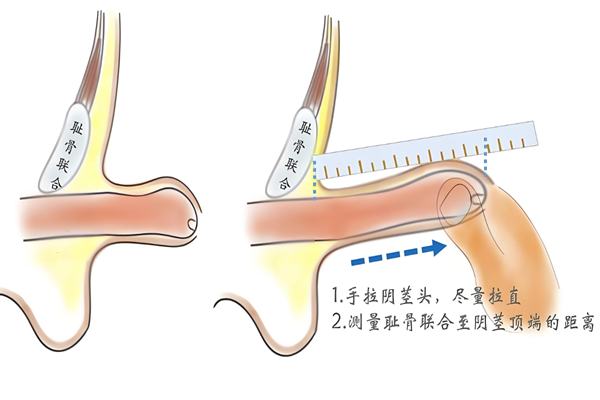
Length procedures require careful definition of the goal. Releasing the suspensory ligament mainly affects the visible length of the flaccid penis. Change in erect length may be limited, and erection angle or stability may be altered.
For men with substantial suprapubic fat, weight management or treatment of the fat pad may change visible length without operating directly on the penile shaft. A urologist should distinguish an anatomical concern from body-image distress before recommending surgery.
Fixed centimeter claims should be interpreted cautiously. Anatomy, technique, healing, and scar formation vary considerably among individuals.
Is STANTOP Convenient for Overseas Patients?
STANTOP provides coordination in languages including Chinese and English. Language support can help patients organize consultations, examinations, surgery, medication, and follow-up visits.
Interpretation quality is particularly important in urology because discussions involve sensitive symptoms, device mechanics, sexual expectations, and long-term consequences. Patients should make sure the interpreter can communicate medical details accurately.
Important information should be supplied in writing, including the diagnosis, device or material, planned procedure, medication, restrictions, and urgent-contact method. A short chat exchange is not sufficient for an informed decision.
Privacy is another concern. Patients can ask how consultation rooms, records, photographs, and communication are managed. They should state whether information may be shared with a partner or family member and which contact method they prefer.
What Medical Evaluation Is Needed Before Treatment?
Erectile dysfunction can relate to diabetes, cardiovascular disease, hormone conditions, medication, nerve injury, pelvic surgery, or psychological factors. A proper assessment may include medical and sexual history, medication review, physical examination, and relevant laboratory or vascular testing.
Before implant surgery, urinary and local skin infections should be excluded. Diabetes control may influence infection and wound concerns. Patients taking anticoagulants or antiplatelet medication should not stop them independently; the surgical and prescribing doctors should coordinate the plan.
Men considering prostate treatment may need assessment of prostate size, urinary flow, residual urine, symptom severity, and other urinary conditions. Those considering girth or length procedures require examination of skin, blood supply, scars, prior injections, and previous surgery.
A treatment decision should come after diagnosis rather than being based only on the procedure a patient initially asks about.
What Are the Risks of Penile Implant Surgery?
Infection is an important concern because an infected device may need to be removed or exchanged. Other possible problems include bleeding, pain, wound separation, erosion, altered sensation, device-position issues, mechanical failure, and dissatisfaction with perceived length.
Some men feel that the penis appears shorter after implantation, even when measured length is not substantially different. Preoperative measurement and discussion of expectations can reduce misunderstanding.
Inflatable-device users need instruction before regular operation. Activation may occur after swelling and wounds have settled, according to the surgeon’s schedule. Sexual activity should not resume until the treating doctor confirms that healing is adequate.
Overseas patients should know how an urgent problem would be handled after returning home. They may need a local urologist willing to assess the implant, especially if travel back to Seoul cannot occur quickly.
How Should STANTOP Pricing Be Compared?
Costs vary by diagnosis, procedure, device manufacturer and model, anesthesia, observation, medication, and follow-up. Prices found online may relate to a particular procedure and period rather than an individual treatment plan.
Patients should request a written breakdown covering examination, surgeon fee, device or material, anesthesia, operating-room charges, medication, admission, follow-up, and interpretation. They should ask whether device-operation training is included.
For implant surgery, the quotation should explain what happens financially if an infection, mechanical issue, or revision occurs. Patients should distinguish the manufacturer’s device warranty from medical-service costs.
Travel expenses must also be considered. Flights, accommodation, a companion, interpretation, an extended stay, and a return visit can substantially change the total. The return itinerary should allow enough time for medical review rather than being based only on the planned discharge date.
What Questions Should Be Asked at Consultation?
Patients considering STANTOP can prepare the following questions:
- What is my diagnosis?
- Which examinations are still required?
- Are medication, injections, or other treatments reasonable before surgery?
- Which urologist will perform the procedure?
- How often does that doctor perform this operation?
- Which implant or material is recommended, and why?
- Who provides anesthesia?
- How does the clinic reduce infection risk?
- How long should I remain in South Korea?
- When can I fly and resume sexual activity?
- How will I receive device-operation training?
- Who should I contact after returning home?
- How are complications and revisions handled?
- Which costs are included, and which may be charged separately?
Patients should not feel pressured to choose a procedure during the first consultation. For an irreversible or device-based operation, obtaining another urologist’s opinion is reasonable.
Is STANTOP Urology in Korea Reliable?
STANTOP is a male-focused urology clinic in Gangnam whose services cover erectile dysfunction, penile prostheses, prostate conditions, and male intimate procedures. Patients seeking male-urology treatment in South Korea can include it among the clinics they compare.
Still, reliability should not be judged only by the clinic name, claimed procedure volume, or promotional content. Penile implants, graft-based girth procedures, and length surgery have different indications and long-term implications. The operating surgeon, device or material, infection protocol, anesthesia, and follow-up access all matter.
A careful patient should first obtain a clear diagnosis, verify the named surgeon’s relevant urology background, request an individualized treatment plan, and understand alternatives as well as possible complications. The patient should also confirm how care will continue after leaving Korea.
STANTOP may be considered particularly for penile implant and erectile dysfunction consultations. Whether it is appropriate for a specific patient should be decided after medical assessment, direct discussion with the treating urologist, and a clear plan for long-term care.