Is TS Plastic Surgery in Korea Worth Considering? Specialties, Surgeons, and Patient Experience
When planning plastic surgery in Seoul’s Gangnam district, many people compare a hospital’s surgeon expertise, aesthetic approach, anesthesia system, and postoperative care. TS Plastic Surgery in Korea often appears in searches for eye surgery, rhinoplasty, and facial contouring, making it one of the hospitals international patients may encounter during their research.
So, is TS Plastic Surgery worth considering? What procedures is the hospital known for, and what can patients expect from booking through recovery? The following overview organizes the available hospital information and commonly reported patient experiences to help prospective patients make a more informed comparison before traveling to Korea.
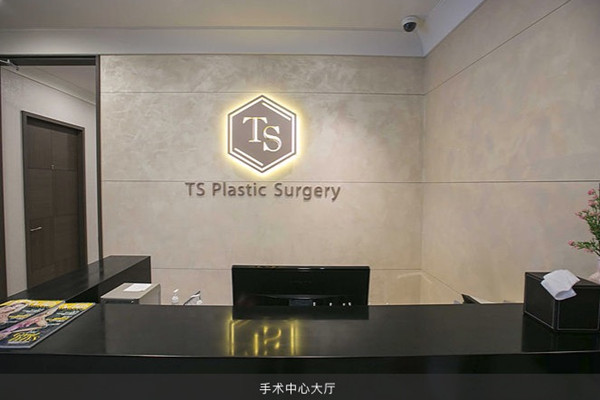
1. Is TS Plastic Surgery in Korea a Good Choice?
A plastic surgery hospital should not be judged by online visibility alone. Important factors include surgeon credentials, areas of specialization, surgical philosophy, anesthesia management, communication support, and postoperative follow-up.
TS Plastic Surgery appears to emphasize surgeon specialization and individualized planning. Patients may be matched with a surgeon according to their eye anatomy, nasal structure, facial proportions, skin tension, and personal goals. This approach may appeal to people who prefer natural-looking changes, want to avoid a standardized appearance, or value recommendations based on their own anatomical features.
However, surgical outcomes vary from person to person, and online reviews or before-and-after images should be treated only as preliminary references. Whether the hospital and a proposed procedure are suitable should ultimately be determined through an in-person consultation, appropriate imaging or examinations, and an individualized risk assessment.
2. Location and Medical Team
TS Plastic Surgery is located around Dosan-daero in Gangnam, Seoul. Gangnam is home to many plastic surgery hospitals, dermatology practices, and medical aesthetic services, and it is a common destination for international patients seeking consultations in Korea. Because addresses, floor information, consultation hours, and language services may change, patients should reconfirm these details directly with the hospital before traveling.
One feature associated with TS Plastic Surgery is the division of work among surgeons focusing on different areas, including the eyes, nose, and facial contour. Director Lee Sang-kyun is frequently introduced in connection with facial contouring and eye surgery. Some consultation accounts describe an approach that considers skeletal structure, facial proportions, and skin condition rather than following a single fashionable template.
Director Lee Seung-chan is more commonly mentioned in consultations for natural-looking double-eyelid surgery and combined eye procedures. Eye surgery involves more than choosing a crease height. Eyelid thickness, fat volume, eyelid muscle function, brow-to-eye distance, and asymmetry may all influence the plan.
Dr. Seo Jeong-hwa is also associated with eye surgery and periorbital rejuvenation concerns. The current surgeon roster and each doctor’s active practice status should still be verified with the hospital when making an appointment.
3. What Are the Main Procedures at TS Plastic Surgery?
1) Double-Eyelid and Comprehensive Eye Surgery
Eye surgery is one of the areas frequently associated with TS Plastic Surgery. Commonly discussed procedures include natural adhesion double-eyelid surgery, incisional double-eyelid surgery, inner or outer corner procedures, eyelid muscle correction, under-eye treatment, and revision eye surgery.
The surgical design may take eyelid thickness, fat volume, eye length, eyelid function, and facial proportions into account instead of applying the same crease width to every patient. When reviewing cases, it is helpful to look at closed-eye scarring, symmetry, line continuity, and longer-term stability. Whenever possible, compare photographs taken in similar lighting and angles at several stages of recovery.
2) Revision Eye Surgery
Revision eye surgery is generally more complex than a first procedure because the surgeon may need to manage scar tissue, adhesions, asymmetrical creases, multiple folds, an overly high or low crease, or difficulty opening the eyes.
Patients considering revision surgery should bring records and photographs from their previous procedure when available. During consultation, they should ask what can realistically be improved, whether there is enough healthy tissue, what limitations may remain, how likely additional scarring may be, and whether treatment should be staged.
3) Rhinoplasty and Revision Rhinoplasty
The approach described for nasal surgery at TS emphasizes facial balance and structural stability. Planning may consider not only bridge height and tip shape but also the forehead, brow area, lips, chin, and overall midface proportions.
Suitable materials and techniques differ according to skin thickness, cartilage strength, septal condition, previous surgery, and personal anatomy. A higher bridge or more projected tip is not automatically a better result.
Revision rhinoplasty requires additional assessment of any previous implant or graft, scar tissue, contracture, infection history, and breathing function. Patients should confirm that both appearance and internal nasal function are considered during consultation.
4) Facial Contouring Surgery
Facial contouring may involve the cheekbones, mandibular angles, or chin. These procedures require careful attention to surgeon experience, diagnostic imaging, anesthesia management, and postoperative monitoring.
The goal should not simply be to create the smallest possible face. A balanced plan considers frontal width, side-profile lines, facial harmony, and the skeletal support needed for the surrounding soft tissue. Before proceeding, patients should ask about possible bleeding, infection, sensory nerve changes, asymmetry, soft-tissue laxity, and the potential need for revision.
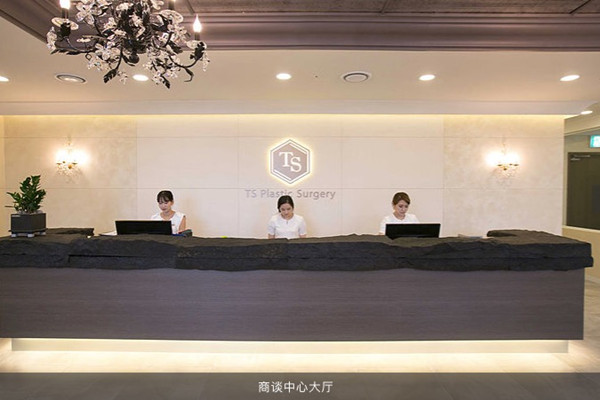
4. Typical Process for International Patients
International patients often begin with an online inquiry and send unedited front, side, and close-up photographs. These images may help with preliminary communication, but they cannot replace an in-person examination. At the booking stage, patients should confirm the consulting surgeon, interpreter arrangements, recommended length of stay, preoperative tests, and what is included in the quoted fee.
At the hospital, the process generally includes registration, discussion of goals, and a physical examination by the surgeon. If the recommended plan differs from the patient’s original idea, the reason should be explained clearly. A responsible consultation should identify unsuitable requests and limitations instead of simply agreeing to every preference.
Before confirming surgery, patients should request an itemized estimate covering the procedure, anesthesia, examinations, medication, postoperative care, suture removal, and follow-up visits. When sedation or general anesthesia is involved, it is also important to understand who provides anesthesia, how the patient is monitored, and what emergency protocols are available.
Surgical results should not be judged during the first few days. Swelling, bruising, and uneven recovery can temporarily alter appearance. International patients should complete required follow-up visits before leaving Korea and obtain clear contact instructions for any concerns after returning home.
5. Who May Want to Consider TS Plastic Surgery?
- Patients who prefer natural, harmonious changes rather than a noticeably standardized look;
- Those who value surgeon specialization and want to choose a doctor according to the procedure;
- People considering double-eyelid surgery, eye revision, rhinoplasty, or facial contouring;
- Patients who want an analytical consultation rather than automatic agreement with every request;
- International patients who require Chinese-language communication and postoperative follow-up support.
6. Is TS Plastic Surgery in Korea Worth Considering?
Overall, the main features associated with TS Plastic Surgery include surgeon specialization, a natural-oriented design philosophy, and services covering eye surgery, rhinoplasty, and facial contouring. Patients who value individualized planning and facial harmony may consider including the hospital on their consultation shortlist when visiting Korea.
Positive visibility or favorable reviews do not mean that one hospital is suitable for everyone, and patient stories cannot replace a medical assessment. Before deciding, patients should verify the surgeon’s credentials, confirm who will actually perform the operation, review the anesthesia arrangement, obtain an itemized fee, understand the risks, and clarify how complications and follow-up care would be handled. Comparing more than one surgeon’s recommendations can also help patients make a measured decision.
The key to choosing a plastic surgery hospital is not selecting the one with the loudest marketing. It is finding a qualified surgeon who can explain the indications, limitations, alternatives, and risks clearly, and whose aesthetic direction is compatible with the patient’s goals. Plastic surgery and anesthesia carry risks, and the final treatment plan and recovery experience vary by individual. An in-person consultation should guide the decision.