How Is ID Hospital Korea Reviewed? A Practical Look at Its Doctors, Popular Treatments and Patient Feedback
Korea has long been one of the most watched destinations for cosmetic surgery and skin treatments. From facial contouring and rhinoplasty to laser skin care and anti-aging programs, many international patients are interested in Korean clinics because of their detailed consultation process, mature aesthetic style, and broad range of treatment options.
Among the clinics often discussed by beauty seekers, ID Hospital Korea is a name that appears frequently. Many people want to know: how is ID Hospital reviewed in Korea? Are its doctors experienced? Which treatments is it known for? And how should patients understand online reviews before making a decision?
This article takes a practical look at ID Hospital Korea from several angles, including hospital background, medical team, popular procedures, patient feedback, and safety reminders.
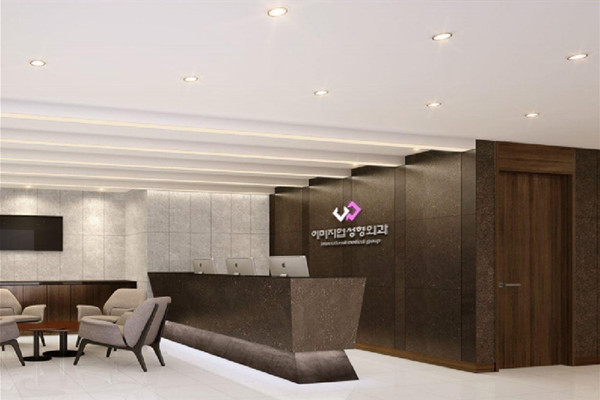
1. Basic Overview of ID Hospital Korea
ID Hospital Korea is often introduced as a mid-to-high-end medical aesthetic institution in Korea, offering both plastic surgery and dermatology-related services. For people who are considering treatment in Korea, this type of hospital may be attractive because it can provide a relatively wide range of options under one system.
Its services are commonly associated with facial plastic surgery, eye and nose procedures, facial contouring, skin rejuvenation, acne care, pigmentation treatment, and anti-aging skin programs. Instead of only focusing on a single procedure, the consultation process usually needs to consider facial proportions, skin condition, personal goals, recovery time, and overall harmony.
For international patients, the most important point is not simply whether a hospital is popular online, but whether the medical team can provide an appropriate plan based on the patient’s actual condition.
2. Medical Strength and Popular Treatment Areas
ID Hospital Korea is generally discussed in connection with a team-based approach, involving plastic surgeons, dermatology doctors, consultants, and nursing staff. In aesthetic medicine, this type of coordination matters because treatment planning, operation, follow-up care, and recovery guidance all affect the final experience.
In plastic surgery, commonly discussed procedures include double eyelid surgery, rhinoplasty, chin surgery, and facial contouring. These procedures require not only surgical technique but also aesthetic judgment. A good result should not be judged only by how dramatic the change is, but also by whether the outcome looks natural and suitable for the patient’s own facial structure.
In dermatology and skin care, the hospital may provide services such as anti-aging skin management, acne treatment, pigmentation correction, laser procedures, and overall skin quality improvement. For concerns such as uneven skin tone, enlarged pores, acne marks, dark spots, or early signs of aging, a staged treatment plan is often more realistic than expecting one session to solve everything.
3. What Do Patient Reviews Usually Mention?
Based on patient-style feedback commonly seen online, ID Hospital Korea tends to receive attention for its consultation process, service attitude, and post-treatment guidance. Some patients who underwent eyelid surgery mention that doctors considered their original eye shape and tried to design a more natural-looking result.
Patients who discuss rhinoplasty often focus on whether the nose looks balanced with the rest of the face. A common positive comment is that the result should improve the profile without looking overly artificial. For skin procedures such as laser treatment or pigmentation care, some patients report visible improvement in dullness or spots after a treatment course, while also noting that aftercare instructions were important.
However, online reviews should always be treated as references, not promises. Every patient has a different facial structure, skin condition, healing speed, scar tendency, and aesthetic preference. A result that looks good on one person may not be the right target for another.
4. What Should You Check Before Choosing a Korean Clinic?
First, check the hospital and doctor qualifications. Whether the clinic is in Korea or another country, formal medical credentials and licensed doctors are the foundation of safe treatment.
Second, understand the risks of the procedure you are considering. Eyelid surgery, rhinoplasty, chin surgery, facial contouring, laser treatment, and injectable procedures are all medical treatments. Possible concerns may include swelling, bruising, infection, scarring, asymmetry, unsatisfactory shape, pigment changes, or a recovery period longer than expected.
Third, be realistic about the final result. It is not wise to choose a procedure only because of celebrity photos or social media before-and-after images. A suitable plan should be based on your own anatomy and a doctor’s in-person evaluation.
Fourth, take aftercare seriously. Whether it is a surgical procedure or a skin treatment, recovery guidance matters. Cleaning, sun protection, medication use, diet restrictions, follow-up visits, and avoiding certain activities can all affect healing.
5. Final Thoughts
Overall, ID Hospital Korea has a certain level of visibility in the Korean medical aesthetic field, and its services cover both plastic surgery and dermatology. Some patients give positive feedback about communication, treatment planning, service attitude, and postoperative care.
Still, medical aesthetics should never be treated as a casual purchase. Before making a decision, patients should confirm the clinic’s qualifications, understand the doctor’s experience, compare treatment plans carefully, and ask about risks, recovery, and aftercare. This article is for informational purposes only and cannot replace an in-person consultation with a qualified medical professional.