Is Botox Cheaper in Korea Than in China? A 2026 Price Comparison Guide
South Korea has become one of the world’s leading destinations for cosmetic treatments, attracting visitors from across Asia and beyond. Among the most popular non-surgical procedures is Botox injection, which is commonly used to reduce facial wrinkles, slim the jawline, relax shoulder muscles, and contour the calves.
Many people considering medical aesthetics abroad often ask the same question: Is Botox cheaper in Korea than in China? The answer is generally yes for many treatments, but the overall value depends on several factors, including the brand used, the number of units injected, the treatment area, and the additional costs of traveling overseas.
This guide explains current Botox prices in South Korea, compares them with China, and outlines what patients should know before making a decision.
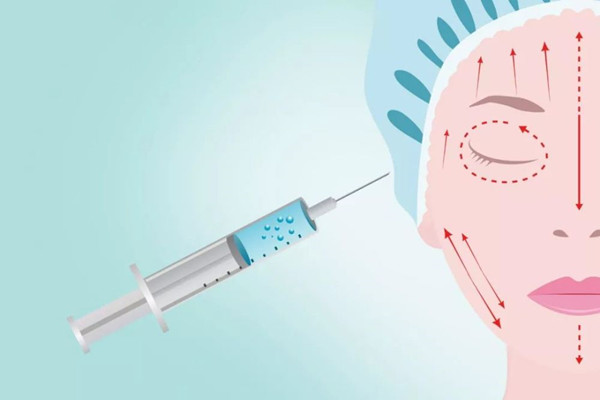
Botox Prices in Korea
Botox treatment prices in Korea vary according to the injection area, the product brand, and the clinic. South Korea offers both internationally recognized brands and domestically manufactured botulinum toxin products, giving patients a wider range of pricing options.
Typical price ranges in Korea for 2026 include:
- Forehead wrinkle treatment: KRW 30,000–80,000
- Frown lines (glabellar lines): KRW 30,000–80,000
- Crow’s feet: KRW 30,000–80,000
- Jaw slimming (masseter Botox): KRW 60,000–200,000
- Chin muscle relaxation: KRW 30,000–80,000
- Mouth corner lifting: KRW 30,000–80,000
- Shoulder Botox: KRW 200,000–600,000
- Calf contouring Botox: KRW 300,000–1,000,000
International brands such as Allergan Botox generally cost more than Korean-made products. Clinics often allow patients to choose the brand according to their treatment goals and budget.
Many Korean aesthetic clinics also provide promotional packages, seasonal discounts, or combination treatments, which may reduce the overall treatment cost.
Why Is Botox Often Less Expensive in Korea?
Several factors contribute to Korea’s competitive Botox pricing.
First, South Korea has one of the most developed medical aesthetics markets in the world. The large number of aesthetic clinics creates strong competition, encouraging clinics to offer attractive pricing and promotional campaigns.
Second, Korea manufactures several well-known botulinum toxin products domestically. Local production increases market availability and often lowers treatment costs compared with imported products.
Another reason is the high treatment volume. Many Korean clinics perform Botox injections daily, allowing them to streamline procedures and improve operational efficiency.
However, lower advertised prices do not always tell the complete story. Some promotional offers apply only to specific brands, limited injection units, or selected treatment areas. Additional charges may apply if patients require more units or choose premium international products.
For this reason, patients should always confirm exactly what is included in the quoted price before scheduling treatment.
Comparing Botox Costs in Korea and China
When comparing Korea and China, the difference depends on the city, clinic, and product used.
Large metropolitan areas in China may have higher treatment fees than some Korean clinics, especially when imported Botox products are selected. On the other hand, prices in smaller Chinese cities may be similar to or even lower than certain premium clinics in Seoul.
For patients who are already planning to visit South Korea for tourism, shopping, or additional cosmetic procedures, receiving Botox treatment during the trip may be a cost-effective option.
However, traveling solely for Botox injections may not always result in overall savings. Airfare, accommodation, meals, transportation, and other travel expenses should all be considered when calculating the total cost.
Patients interested in multiple treatments—such as dermal fillers, laser procedures, skin boosters, or facial contouring—may find better overall value by combining these services during one visit to Korea.
Additional Expenses to Consider
The injection fee is only one part of the total budget for overseas medical aesthetics.
International patients should also plan for airfare, hotels, local transportation, travel insurance, meals, and any follow-up appointments if required.
Some Korean clinics provide multilingual consultation services, airport transfers, and assistance with hotel reservations for international visitors. Depending on the clinic, these services may be included in the treatment package or offered for an additional fee.
Patients should also be aware that follow-up appointments are much easier to arrange when treatment is performed in their home country. If touch-up injections become necessary after returning home, additional planning may be required.
Things to Know Before Getting Botox in Korea
Before receiving Botox injections, patients should verify which product will be used and ensure they understand the recommended dosage for their treatment area.
Choosing the lowest advertised price is not always the best decision. The experience of the medical professional, product authenticity, consultation quality, and individualized treatment planning are all important factors to consider.
Patients should also inform their healthcare provider about any allergies, pregnancy, breastfeeding, neurological conditions, or medications that could influence treatment decisions.
After treatment, following post-procedure instructions—such as avoiding vigorous exercise, excessive heat exposure, or massaging the treated area for the recommended period—can help support the recovery process.
Conclusion
So, is Botox cheaper in Korea than in China? In many cases, the answer is yes, particularly when Korean-made botulinum toxin products are used. Competitive pricing, a mature aesthetic industry, and frequent promotional offers make Korea an attractive destination for many international patients.
However, the overall value should be evaluated based on more than the injection price alone. Travel expenses, product brand, clinic reputation, practitioner experience, and post-treatment care all contribute to the total cost and treatment experience. By considering these factors together, patients can make a well-informed decision that best suits their budget and aesthetic goals.