Korea Skin Treatment Price Guide: Facials, Skin Boosters, IPL, Ultherapy and Thermage Costs
Korea Skin Treatment Price Guide: What to Budget for Facials, Skin Boosters, IPL, Ultherapy and Thermage
If you are planning a skin clinic visit in Korea, the first question is usually simple: how much should I realistically budget? The answer depends on the treatment type, the device or product used, the treatment area, the clinic location, and whether a doctor is directly involved in the procedure. A light pore-cleansing facial may cost only a few hundred RMB, while energy-based lifting treatments such as Ultherapy-style ultrasound lifting or Thermage-style radiofrequency tightening can reach tens of thousands of RMB per session.
This guide rewrites the common price points in a practical way, so you can compare options before booking. Prices below are general RMB references converted for easier reading. Actual fees may change with exchange rates, clinic policy, treatment scope, product dosage, and your skin condition after consultation.
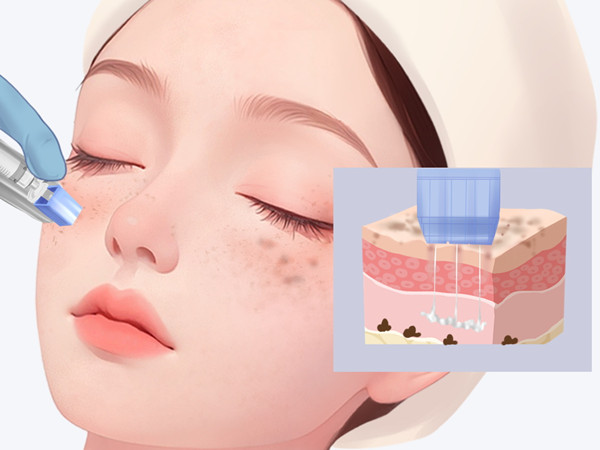
Quick price overview for popular skin treatments in Korea
| Treatment | Reference Price | Main Purpose | Good Candidates |
|---|---|---|---|
| Aqua Peel / deep pore cleansing | About RMB 200-500 per session | Oil, dead skin, blackhead and pore care | Oily skin, clogged pores, first-time visitors |
| Hyaluronic acid hydration infusion | About RMB 500-1000 per session | Short-term hydration and smoother makeup | Dry, tight or dehydrated skin |
| IPL / photo facial | About RMB 1500-3000 per session | Dull tone, redness, mild pigmentation | Uneven skin tone, mild spots or visible redness |
| Skin booster / water glow injection | About RMB 2000-5000 per session | Hydration, glow, fine texture support | Dry, dull skin with early fine lines |
| Ultrasound lifting | About RMB 10000-30000 per session | Jawline, mild sagging, contour support | Mild to moderate laxity without surgery plans |
| Thermage-style RF tightening | About RMB 15000-40000 per session | Skin firmness, collagen stimulation, fine lines | Face, eye area or body laxity concerns |
Entry-level treatments: cleansing and hydration are affordable, but they have clear limits
Aqua Peel, small-bubble cleansing and basic pore care are among the most accessible Korean skin management treatments. The usual reference range is about RMB 200-500 per visit. The price changes according to the number of steps included, whether calming care is added, whether blackhead extraction is involved, and whether the session is a simple facial or part of a more structured skin program.
This category is useful for oily skin, rough texture, makeup buildup and clogged pores. It is not a treatment for deep acne scarring, hormonal acne or long-term pore size change. If a clinic sells it as a quick fix for every skin problem, it is worth slowing down and asking what the session actually includes.
Hydration infusion with hyaluronic acid or soothing ampoules usually sits around RMB 500-1000 per session. It may be delivered with a device, micro-channel system, cooling care or mask-based repair step. It is best seen as a comfort and skin-feel treatment. It can make the skin look calmer and more hydrated for a period of time, but it should not be confused with lifting, laser resurfacing or injectable anti-aging treatment.
Mid-range treatments: IPL and skin boosters are where price details start to matter
IPL or photo facial treatments in Korea often cost around RMB 1500-3000 per session. They are commonly chosen for dullness, uneven tone, mild spots, redness and visible pores. The price is influenced by the device type, the number of passes, the area covered, the energy setting, and whether the session includes post-treatment calming care. People with recent sun exposure, darker skin tone, active inflammation or sensitive barriers should not choose IPL only by price, because conservative settings and proper assessment matter more than a low quote.
Skin booster pricing varies more widely, usually around RMB 2000-5000 per session, and some combined formulas can be higher. The main cost drivers are the product used, the dosage, the injection area and who performs the procedure. A simple hydrating HA booster will not be priced the same as a more complex formula aimed at texture, glow or fine lines. Full-face treatment also costs more than a small-area approach.
If your budget is limited, a basic hydration booster may be enough for dryness and dullness. If you also want to address fine texture, early lines or elasticity concerns, it is better to discuss whether a combined plan is actually appropriate instead of adding every recommended product at once.
Higher-budget treatments: lifting devices should be compared by scope, not only by headline price
Ultrasound lifting treatments are commonly referenced at about RMB 10000-30000 per session, while Thermage-style radiofrequency tightening may range from about RMB 15000-40000 per session. These treatments cost more because device consumables, treatment depth, total shots, treatment area and operator experience all affect the final fee. A cheek-only plan, a full-face plan and a face-plus-neck plan are not the same purchase.
Ultrasound lifting is often discussed for jawline definition, mild sagging and lower-face heaviness. RF tightening is often discussed for firmness, fine lines and overall skin quality. They are not identical treatments, and one is not automatically better than the other. Before paying for a high-cost lifting treatment, ask about the exact area, shot count, device version, tip handling, expected downtime and follow-up plan.
Why Korean skin clinic prices vary so much
Location is one reason. Clinics in Seoul areas popular with international visitors, such as Gangnam, Myeongdong or Hongdae, often have higher operating and language-service costs than clinics in smaller cities. Another reason is the level of medical involvement. Some treatments are doctor-led, while others are completed mainly by skin therapists after assessment. The price should reflect the actual workflow, not only the treatment name.
Product and consumable differences are also important. Skin boosters, injectable hydration products and energy-based treatments may involve different brands, dosages or disposable tips. Package pricing can look attractive, but you should check the validity period, refund policy, whether the sessions can be split, and whether post-care is included. A cheaper package may simply cover a smaller area or fewer steps.
How to choose by budget
- Under RMB 1000: consider cleansing, hydration infusion or calming care if you want a light treatment with minimal downtime.
- RMB 1000-5000: IPL, photo facial, water glow injection or basic skin booster plans may suit concerns such as dullness, dryness, mild redness and uneven tone.
- Above RMB 10000: ultrasound lifting, RF tightening, eye-area tightening or combined anti-aging plans may be discussed if laxity and contour changes are your main concerns.
For a first visit, it is usually smarter to start with skin analysis and consultation instead of booking the most expensive treatment immediately. Tell the clinic about allergies, recent lasers or injections, active acne, medication use, pregnancy or breastfeeding status, and any history of post-inflammatory hyperpigmentation. These details can change what is safe or suitable for you.
Questions to ask before paying
Instead of asking only “how much is one session,” ask what the price includes. Does it cover numbing cream, calming care and follow-up? What product and dosage are used for the skin booster? How many shots are included for ultrasound or RF tightening? Who performs the treatment? What happens if you develop swelling, dryness, bruising, crusting or pigmentation after the session? These questions help you compare a complete quote with a low headline price.
As a simple budgeting rule, basic cleansing and hydration treatments may fall around RMB 200-1000, IPL and skin boosters often sit around RMB 1500-5000, and lifting or tightening devices may range from RMB 10000-40000. The right plan should match your skin condition, budget, downtime tolerance and risk profile. If you are travelling to Korea specifically for aesthetic treatments, leave enough time for consultation, recovery observation and follow-up instead of stacking several irritating procedures into one short trip.